




Cardiovascular disease is one of the most common health conditions worldwide. Early diagnosis and treatment can significantly reduce the risk of serious complications such as heart attack, stroke, or heart failure.
Many patients ignore early warning signs or assume symptoms are related to stress or fatigue. However, recognizing when to visit a cardiologist in Cyprus can make a major difference in preventing long-term heart damage.
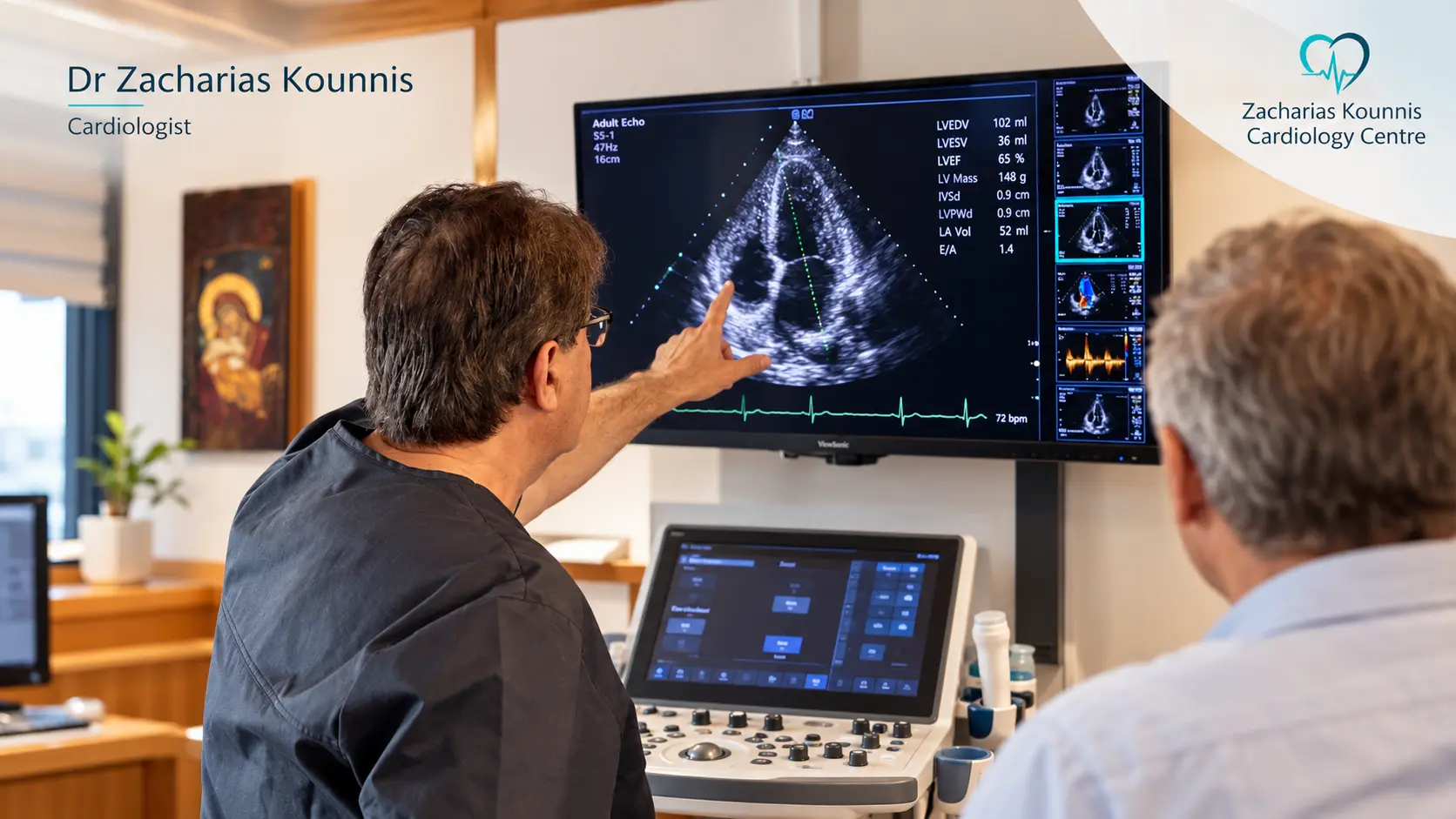
At Cardiology Center Zacharias Kounnis, early cardiovascular evaluation helps identify potential heart problems before they become life-threatening.
Below are 10 symptoms that should never be ignored.
Chest pain is one of the most common warning signs of heart disease.
It may feel like:
This symptom may indicate coronary artery disease, where blood flow to the heart muscle is reduced.
Anyone experiencing persistent chest pain should seek evaluation from a cardiologist Cyprus immediately.
Difficulty breathing during normal activities can be a sign that the heart is not pumping blood effectively.
Shortness of breath may indicate:
A comprehensive examination at a cardiology center in Cyprus can determine the underlying cause.
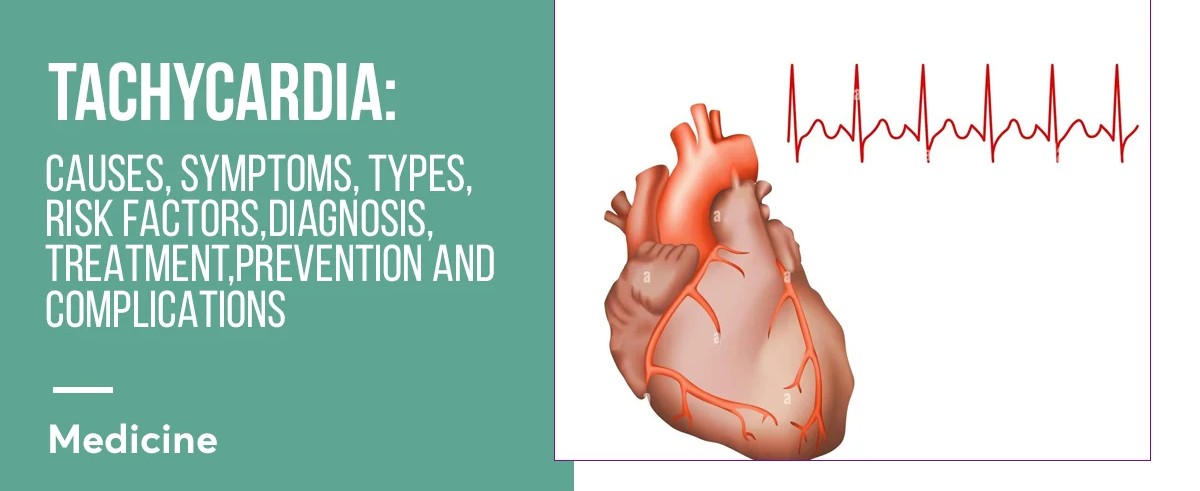
Heart palpitations or irregular heart rhythms are often described as:
These symptoms may indicate cardiac arrhythmias, which require proper evaluation by a specialist.
A cardiologist in Cyprus may recommend diagnostic tests such as ECG or Holter monitoring.
Extreme tiredness without a clear reason can sometimes be related to heart problems.
Reduced blood circulation caused by cardiovascular disease can prevent organs and muscles from receiving enough oxygen.
This symptom is especially important if fatigue occurs along with other warning signs.
Swelling in the lower limbs may indicate fluid retention caused by heart failure.
When the heart cannot pump blood effectively, fluid may accumulate in the legs, ankles, or feet.
Patients experiencing these symptoms should consider visiting a cardiologist Limassol or a specialized heart clinic.
Frequent dizziness or fainting episodes may indicate:
A full cardiovascular assessment at a 🔵 cardiology center Cyprus may help determine the cause.
Heart-related pain does not always occur directly in the chest.
It may spread to:
These symptoms can sometimes appear before or during a heart attack.
Immediate evaluation by a cardiologist in Cyprus is recommended.
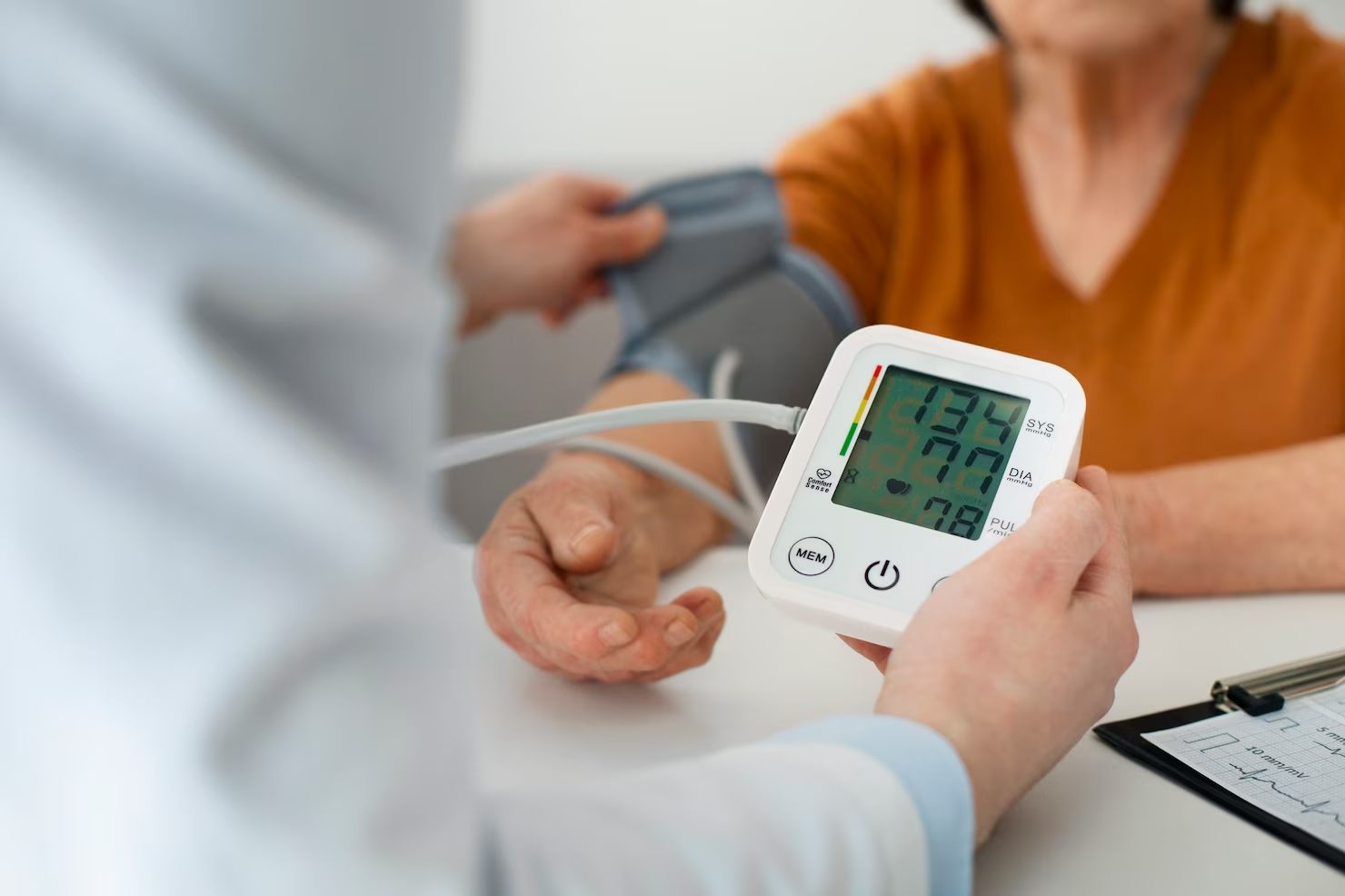
Hypertension is one of the leading risk factors for cardiovascular disease.
If left untreated, high blood pressure can damage blood vessels and increase the risk of heart attack or stroke.
Regular monitoring at the best cardiology center in Cyprus helps manage blood pressure effectively.
High cholesterol contributes to the buildup of plaque inside arteries.
This condition, known as atherosclerosis, can restrict blood flow to the heart and increase cardiovascular risk.
Preventive screening with a cardiologist Cyprus is essential for early detection.
If close family members have experienced heart disease, your personal risk may also be higher.
Genetic factors combined with lifestyle habits can significantly influence cardiovascular health.
Regular check-ups at Cardiology Center Zacharias Kounnis help detect risks early and create personalized prevention strategies.
Seek urgent medical assistance if you experience severe or persistent chest pain, sudden shortness of breath, fainting, intense pressure in the chest, or pain spreading to the arm, neck, jaw or back. Do not wait for the symptoms to disappear or attempt to diagnose the cause yourself.
Yes. High blood pressure, high cholesterol, coronary artery disease and certain rhythm disorders may develop without noticeable warning signs. Preventive cardiovascular assessment can help identify risk factors before serious complications occur.
The recommended tests depend on your symptoms, medical history and risk factors. An evaluation may include an ECG, echocardiogram, blood-pressure measurement, blood tests, Holter monitoring or a cardiac stress test.
A preventive heart check-up may still be valuable, particularly if you are over 40 or have high blood pressure, diabetes, high cholesterol, obesity, smoking history or a family history of cardiovascular disease. Learn more about preventive cardiology and the essential heart tests recommended after 40.
Heart symptoms should not be ignored, even when they appear mild or intermittent. If you experience palpitations, breathlessness, chest discomfort, dizziness or unusual fatigue, a cardiovascular evaluation can help determine whether further testing is needed.
You may also find our guides to silent heart disease and shortness of breath during light activity helpful.
Schedule an appointment at Cardiology Center Zacharias Kounnis for a personalised cardiovascular assessment in Limassol.
Prepared by: Cardiology Center Zacharias Kounnis Medical Content Team
Medically reviewed by: Dr Zacharias Kounnis, Cardiologist
Last medically reviewed: 20 September 2026
Last updated: 20 September 2026
