



Medically reviewed by Dr Zacharias Kounnis, Consultant Cardiologist
Not all heart conditions cause immediate symptoms. In many cases, cardiovascular disease develops gradually and silently for years before becoming dangerous.
This is why preventive cardiology and regular heart evaluations are so important.
At Cardiology Center Zacharias Kounnis, many patients are diagnosed with underlying cardiovascular conditions during routine examinations — even when they feel completely healthy.
If left undetected, silent heart disease can increase the risk of:
Below are 7 common heart conditions that may develop without obvious warning signs.
High blood pressure is often called the “silent killer.”
Many people have hypertension for years without symptoms, while ongoing pressure damages:
Over time, uncontrolled hypertension significantly increases cardiovascular risk.
A routine visit to a cardiologist in Cyprus can help detect and manage high blood pressure early.
Coronary artery disease occurs when plaque builds up inside the arteries supplying blood to the heart.
In some patients, narrowing develops slowly without noticeable chest pain until blood flow becomes critically reduced.
Warning signs may appear only during:
A stress test or cardiac imaging can help detect coronary artery disease before complications occur.
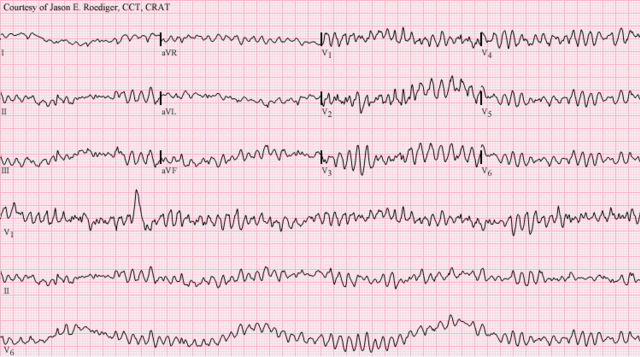
Atrial fibrillation is one of the most common heart rhythm disorders.
Some patients experience:
However, many people have no symptoms at all.
Undiagnosed AFib increases the risk of stroke because irregular heart rhythm can lead to blood clot formation.
Evaluation at a cardiology center in Cyprus may include ECG and Holter monitoring.
High cholesterol itself does not cause symptoms.
But over time, cholesterol buildup can narrow arteries and reduce blood circulation to the heart and brain.
Without regular screening, many people discover the problem only after:
Preventive cardiovascular screening is essential for early detection.
Heart valves control blood flow through the heart.
Valve narrowing or leakage may initially develop silently, especially in older adults.
As the condition progresses, symptoms may include:
An echocardiogram is commonly used to evaluate valve function.
Heart failure does not mean the heart has stopped working. It means the heart cannot pump blood efficiently.
Early heart failure symptoms are often subtle and mistaken for normal aging:
Early diagnosis significantly improves treatment outcomes.
Diabetes increases cardiovascular risk even before symptoms appear.
High blood sugar damages blood vessels and accelerates atherosclerosis, increasing the risk of:
Patients with diabetes should undergo regular evaluation by a cardiologist in Cyprus.
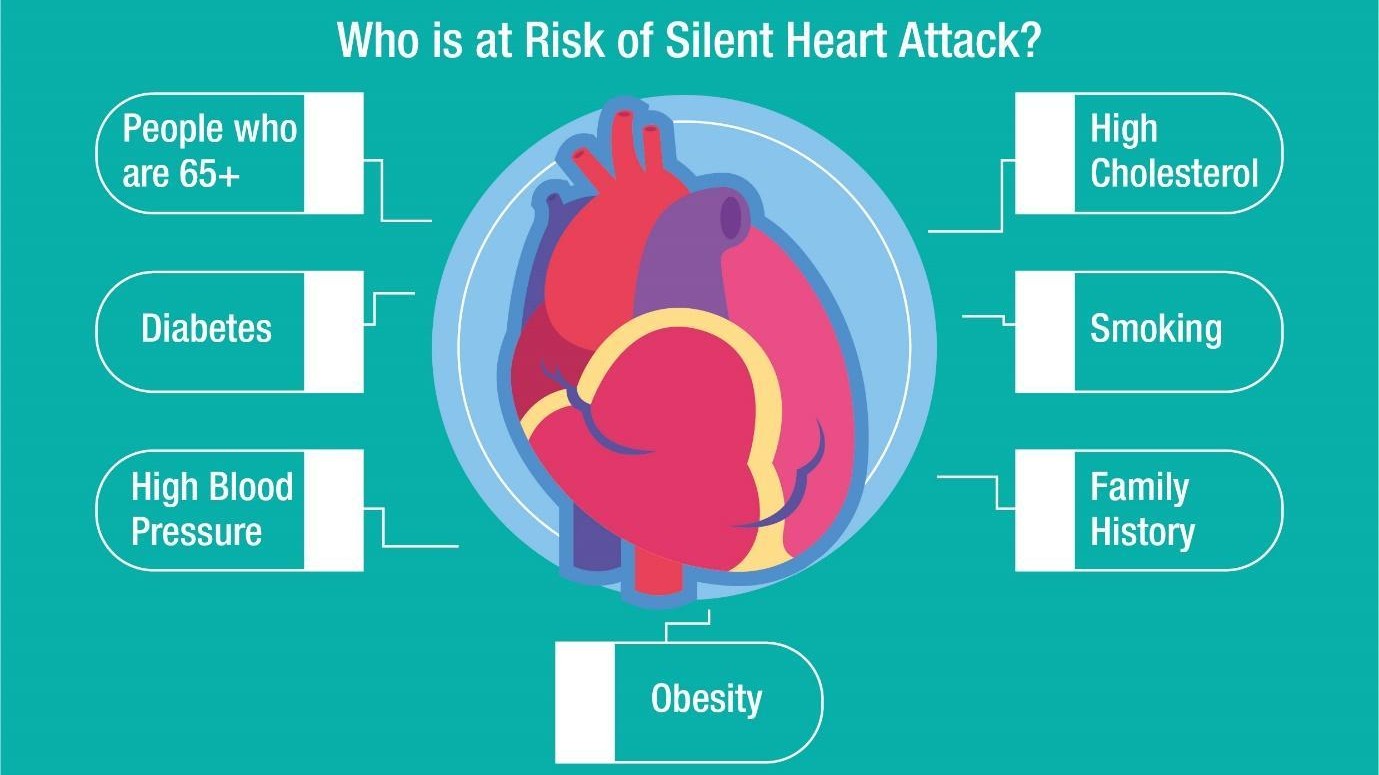
One of the biggest misconceptions in medicine is that a heart attack always begins with severe chest pain and collapse. In reality, many patients have symptoms for days, weeks or even months beforehand, and these are often put down to stress, tiredness, indigestion, ageing or poor sleep.
Common early warning signs include:
These symptoms may appear only during exertion and disappear with rest. If you notice them, do not wait: an ECG, echocardiogram or stress test can show whether the heart is involved. If chest pain is severe or does not settle, call 112 immediately.
Every day I meet patients who tell me: "I wish I had checked earlier."
Your heart may be sending subtle signals long before a serious event occurs. Listen to those signals. A timely cardiovascular assessment today may prevent a life-changing event tomorrow.
You should consider visiting a cardiologist in Limassol or specialized heart clinic if you have:
Even without symptoms, preventive screening can detect silent cardiovascular disease early.
Many cardiovascular conditions can be treated more effectively when diagnosed early.
At Cardiology Center Zacharias Kounnis, comprehensive cardiac evaluations help identify hidden heart risks using advanced diagnostic testing and preventive cardiology approaches.
Whether you are searching for a cardiologist in Cyprus, cardiologist Limassol, or a trusted cardiology center Cyprus, early prevention remains one of the most important steps for long-term heart health.
Concerned about your heart health or cardiovascular risk factors?
Schedule a preventive cardiac evaluation at Cardiology Center Zacharias Kounnis and receive expert assessment using advanced diagnostic technologies.
