

At the Dr. Zacharias Kounnis Cardiology Center, we have a special interest in Cardio-Diabetology and Metabolic Cardiology—a rapidly evolving field that combines cardiovascular medicine with the prevention, early detection, and comprehensive management of diabetes and metabolic syndrome.
Modern cardiology is no longer limited to treating heart attacks and heart failure. One of the greatest opportunities to improve heart health today is to find and treat metabolic disease before it causes permanent damage to the heart, blood vessels, kidneys and brain.
At the Dr Zacharias Kounnis Cardiology Center in Limassol, we have a special interest in cardio-diabetology and metabolic cardiology: a rapidly growing field that combines cardiovascular medicine with the prevention, early detection and complete management of diabetes, prediabetes and metabolic syndrome.
Cardiovascular disease is the leading cause of death in people with diabetes, and around 80% of people with diabetes either have cardiovascular disease or are at high cardiovascular risk during their lifetime. Diabetes speeds up every stage of vascular ageing, increasing the risk of:
Damage to the heart and arteries often begins 5–10 years before diabetes is formally diagnosed. That is why modern diabetes care is not only about blood sugar: its main goal is to protect the heart, blood vessels, kidneys and quality of life.
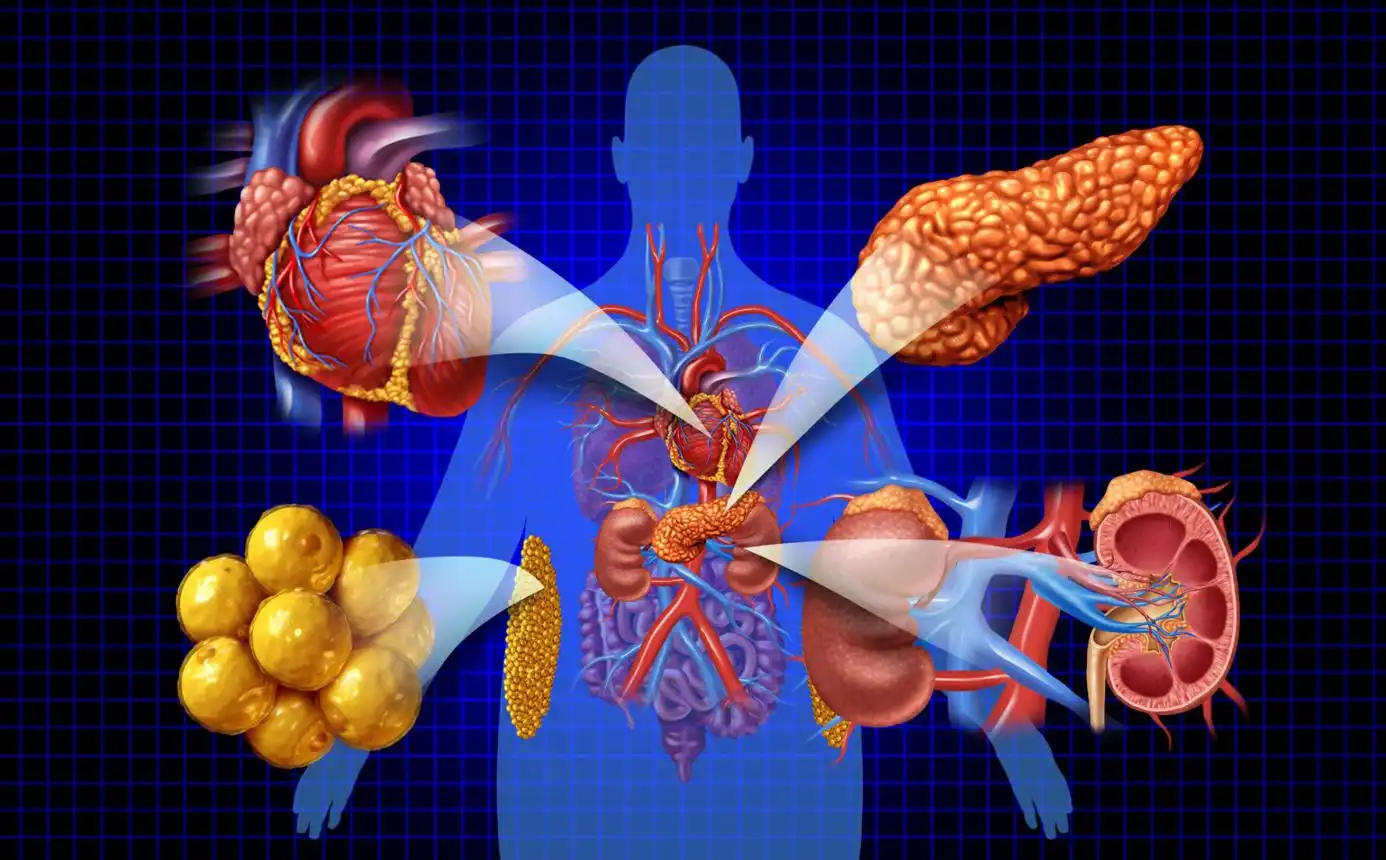
High blood pressure, insulin resistance, type 2 diabetes, obesity, fatty liver, abnormal cholesterol, chronic inflammation and kidney problems are no longer seen as separate conditions. Medicine now recognises them as connected parts of one process, known as cardiometabolic disease or cardiovascular-kidney-metabolic (CKM) syndrome. Excess abdominal (visceral) fat, for example, acts like an active organ, releasing inflammatory substances that damage blood vessels even before diabetes develops.
Insulin resistance often develops years before blood sugar becomes abnormal. A person may have normal fasting glucose, a normal HbA1c and feel completely well, yet already have increasing abdominal fat, fatty liver, high triglycerides, low HDL cholesterol, raised blood pressure, chronic inflammation and progressive arterial damage.

When several of these occur together, the condition is called metabolic syndrome. Each problem may look mild on its own, but together they multiply cardiovascular risk.
Metabolic dysfunction-associated steatotic liver disease (MASLD, previously called fatty liver disease) is now considered one of the strongest signs of future cardiovascular disease. People with MASLD have a higher risk of heart attack, stroke, atrial fibrillation, heart failure and chronic kidney disease.

For this reason, our centre offers abdominal ultrasound with quantitative liver fat assessment as part of an integrated cardio-metabolic evaluation, so metabolic problems can be found before lasting complications develop.
A "normal cholesterol" result can be falsely reassuring. A complete blood test evaluation may include LDL and HDL cholesterol, triglycerides, apolipoprotein B, inflammatory markers and markers of insulin resistance, as well as lipoprotein(a): an inherited risk factor that routine cholesterol testing does not detect and that raises the lifetime risk of early coronary artery disease and aortic valve disease.
If you have a family history of diabetes, obesity, high blood pressure, high cholesterol or heart disease, we assess your metabolic and cardiovascular risk to find insulin resistance and prediabetes before diabetes develops.
Early action through personalised lifestyle changes and, when appropriate, evidence-based medication may delay or even prevent type 2 diabetes.
We help you achieve the best possible heart protection by managing all major risk factors, including blood pressure, cholesterol, weight, vascular health and kidney protection, using modern cardiometabolic treatments in collaboration with your treating doctors.
After a heart attack, stroke, heart failure or other cardiovascular event, we focus on secondary prevention: lowering the risk of another event while improving metabolic health.
Depending on your needs, the assessment may include:
Our goal is not only to diagnose disease, but to detect the earliest changes while they can still be reversed.
Two people with the same cholesterol result can have very different cardiovascular risk depending on genetics, body composition, insulin sensitivity, inflammation, blood pressure, liver and kidney health, family history and lifestyle. Prevention therefore has to be individual.
Today's treatments for diabetes and metabolic syndrome not only improve glucose control but can also lower the risk of heart attack, stroke, heart failure, kidney disease and cardiovascular death. Our practice follows the latest international cardiology and diabetes guidelines, as part of our wider preventive cardiology approach.
Because heart and blood vessel disease is the most common serious complication of diabetes, and it often develops without symptoms. A cardiology assessment can find problems early and guide treatments that protect the heart.
Yes. Insulin resistance, fatty liver, high triglycerides and raised blood pressure can damage the arteries years before blood sugar becomes abnormal.
Yes. When appropriate, we manage cardiovascular risk in collaboration with your treating doctors, so your heart and diabetes care fit together.
Prevent the first cardiovascular event. Detect metabolic disease before diabetes develops. Protect people with diabetes from future heart complications.
To book an appointment with Dr Zacharias Kounnis, call +357 25 389696 or contact our cardiology centre in Limassol.