




Medically reviewed by Dr Zacharias Kounnis, Consultant Cardiologist
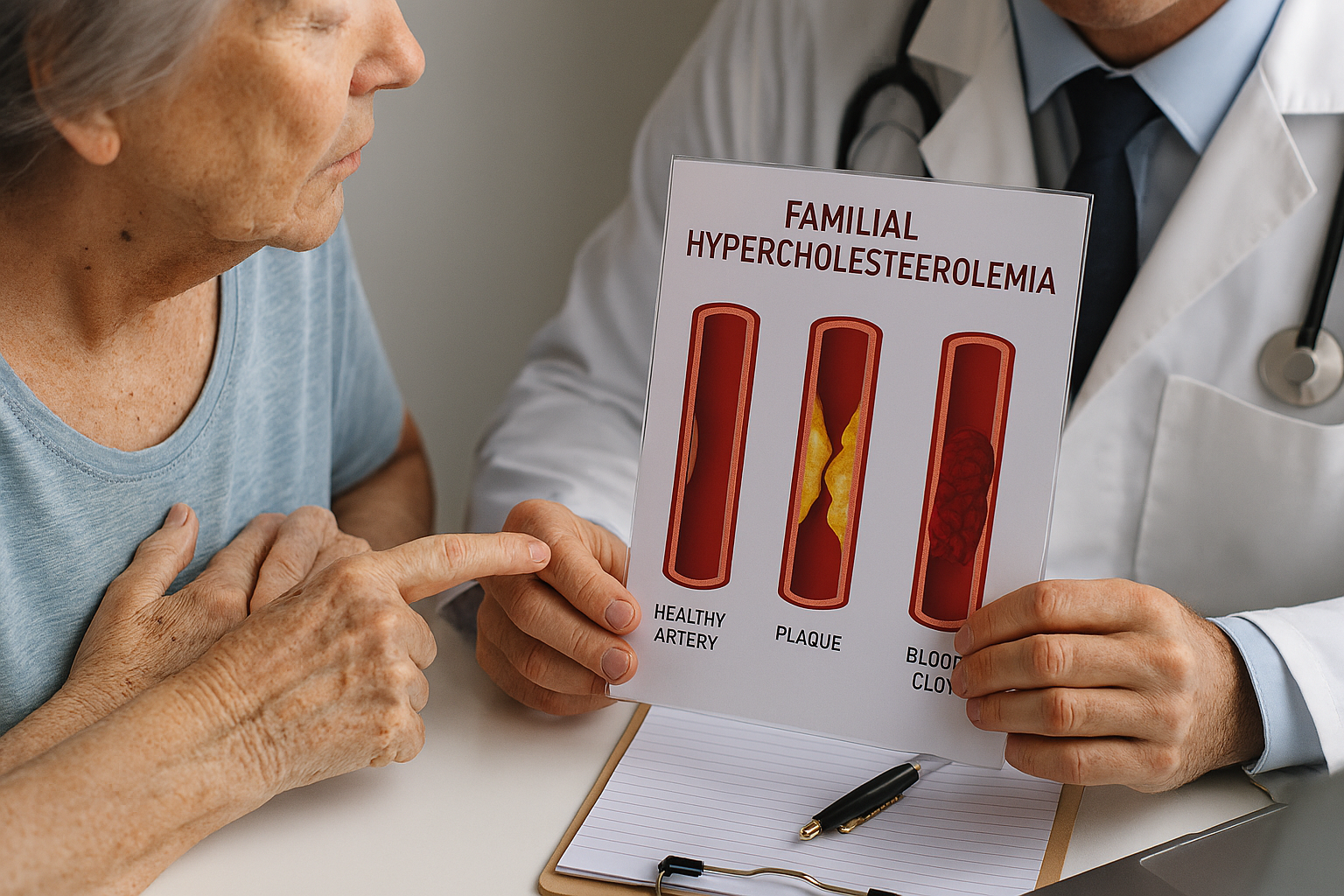
High cholesterol is a common concern, but when it appears early in life or runs in families, it could be more than just a lifestyle issue. Familial Hypercholesterolemia (FH) is a genetic condition that causes dangerously high cholesterol levels from birth, increasing the risk of early heart disease.
At Cardiology Center Zacharias Kounnis in Limassol, we are raising awareness about FH — because early diagnosis and treatment can save lives.
Familial Hypercholesterolemia is an inherited genetic disorder that affects how your body processes cholesterol. If one parent has FH, there’s a 50% chance their child will also have it. Unlike typical high cholesterol, FH is not caused by diet or lifestyle alone — it’s passed down through families.
FH often goes unnoticed until it causes serious problems, but there are key signs to look for:
If you notice these signs or have a family history of heart disease, it’s important to get screened.
People with FH have a 10–20 times higher risk of heart attack at a young age. But with early diagnosis and treatment, that risk can be dramatically reduced. Regular cholesterol checks and family screening can help identify FH before it causes harm.
People with FH can eat very healthily and still have LDL cholesterol above 190 mg/dL (5 mmol/L). For this reason, cholesterol-lowering medication, not diet alone, is usually needed.
FH can usually be identified with blood tests and a careful review of your family history. If heart attacks or very high cholesterol at a young age run in your family, ask your cardiologist about FH screening.
Managing FH is about keeping cholesterol levels under control. Treatment may include:
At Z. Kounnis Cardiology Center, we provide personalized treatment plans to help FH patients live long, healthy, and active lives.
Since FH runs in families, once it’s diagnosed in one person, relatives should also be tested. This process — called cascade screening — helps detect FH early across generations, ensuring everyone gets the care they need.
Familial Hypercholesterolemia is serious, but manageable. The key is awareness, testing, and ongoing care.
If you or a family member has high cholesterol or a history of early heart disease, don’t wait.
👉 Schedule an FH screening at Cardiology Center Zacharias Kounnis today.
Early diagnosis + proper treatment = a healthy, active life with FH.
