



A New Era in Cardio-Oncology
For decades, statins have been known as medications that lower cholesterol and reduce the risk of heart attacks and strokes. Millions of people worldwide take them every day for cardiovascular prevention.
Today, however, a fascinating new chapter is emerging.
Modern research suggests that statins may play a much larger role than previously imagined—not only protecting blood vessels, but potentially protecting the heart during cancer treatment and improving long-term health outcomes in cancer survivors.
This rapidly growing field is known as Cardio-Oncology, a specialty dedicated to preserving cardiovascular health in patients undergoing cancer therapy.
⸻
The Hidden Challenge of Cancer Treatment
Cancer therapies have transformed survival rates over the past decades. Many patients now live long and fulfilling lives after successful treatment.
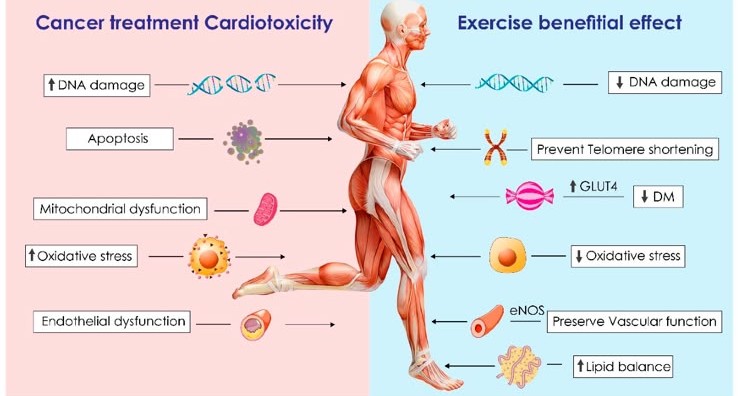
However, some cancer treatments may affect the cardiovascular system.
Certain therapies can increase the risk of:
* Heart muscle weakness
* Heart failure
* Coronary artery disease
* Arrhythmias
* Hypertension
* Vascular dysfunction
Among the most important medications associated with cardiac side effects are anthracyclines, a class of chemotherapy drugs widely used to treat breast cancer, lymphoma, leukemia, and other malignancies.
As cancer survival improves, protecting the heart becomes increasingly important.
⸻
Why Are Statins Receiving So Much Attention?
Scientists initially became interested in statins because their effects extend far beyond cholesterol reduction.
Research has shown that statins possess:
✓ Anti-inflammatory properties
✓ Antioxidant effects
✓ Endothelial protective actions
✓ Anti-fibrotic activity
✓ Plaque stabilizing effects
✓ Improvement of vascular function
These benefits may help counteract some of the biological mechanisms responsible for chemotherapy-induced cardiac injury.
In simple terms, statins appear to help the cardiovascular system withstand the stress associated with certain cancer treatments.
⸻
The Landmark STOP-CA Trial
A major breakthrough came with the publication of the STOP-CA trial, one of the most important studies in modern cardio-oncology.
Researchers investigated whether atorvastatin could protect the heart in patients receiving anthracycline chemotherapy.
The results were highly encouraging.
Patients receiving atorvastatin experienced significantly less deterioration in heart function compared with those receiving placebo.
This finding represents an important step forward in the prevention of cancer therapy-related cardiac dysfunction and has generated substantial enthusiasm within the international cardiology and oncology communities.
⸻
Could Statins Have Direct Anti-Cancer Effects?
An even more intriguing question is whether statins may influence cancer biology itself.
Experimental and observational studies have suggested possible associations between statin use and:
* Reduced tumor growth
* Lower metastatic potential
* Improved cancer-specific outcomes
* Reduced cancer recurrence in selected populations
The strongest signals have been observed in:
* Breast cancer
* Prostate cancer
* Colorectal cancer
* Liver cancer
At present, statins are not approved as cancer treatments, and further research is required before definitive conclusions can be drawn.
Nevertheless, the possibility that a familiar cardiovascular medication may also influence cancer-related pathways remains one of the most exciting areas of contemporary medical research.
⸻
A Personalized Cardio-Oncology Approach
At the Dr. Zacharias Kounnis Cardiology Center, we believe that cancer treatment should not focus solely on eliminating cancer.
It should also protect the patient’s long-term cardiovascular health.
Patients undergoing potentially cardiotoxic cancer therapies may benefit from comprehensive cardiovascular assessment including:
* Detailed cardiovascular evaluation
* Electrocardiogram (ECG)
* Echocardiography with advanced imaging
* Global Longitudinal Strain (GLS)
* Cardiac biomarkers
* Lipid profile and ApoB assessment
* Individual cardiovascular risk stratification
This allows early identification of patients who may benefit from preventive cardiovascular strategies.
⸻
The Future of Medicine Is Prevention
Modern medicine is increasingly moving from treatment to prevention.
Rather than waiting for cardiac complications to occur, clinicians now aim to identify risk early and intervene before irreversible damage develops.
Statins may become one of the most valuable tools in achieving this goal.
They are well studied, generally safe, widely available, and supported by decades of cardiovascular experience.
Emerging evidence suggests that their role may extend far beyond cholesterol management and into the protection of cancer patients during and after treatment.
⸻
Final Thoughts
Cancer survival is one of the greatest achievements of modern medicine.
The next challenge is ensuring that survivors enjoy long, healthy lives free from cardiovascular complications.
The growing field of cardio-oncology is helping us meet that challenge.
Statins, once viewed simply as cholesterol-lowering drugs, are increasingly being recognized as powerful vascular-protective therapies that may help safeguard the heart during cancer treatment.
While ongoing research continues to refine their role, one thing is already clear:
The future of cancer care is not only about defeating cancer—it is about preserving the health of the entire patient.
Dr. Zacharias Kounnis Cardiology Center
Live with your heart.
Prevention • Diagnosis • Therapy
Cardio-Oncology, Statins and Cancer, Cancer Treatment and Heart Disease, Chemotherapy Heart Protection, Anthracycline Cardiotoxicity, Atorvastatin Cancer Patients, Cardiovascular Prevention in Cancer Survivors, Heart Health During Chemotherapy, Preventive Cardiology, Dr Zacharias Kounnis Cardiology Center, Cardio-Oncology Cyprus, Cancer Survivor Heart Health.
.png)