%20(1).png)


.jpg)
.jpg)
.jpg)













.png)



.jpeg)


Most people associate heart disease with cholesterol, blood pressure, or smoking. However, chronic stress is increasingly recognized as an important factor in cardiovascular health.
When the body experiences stress, it releases hormones such as adrenaline and cortisol. These hormones trigger the body's "fight or flight" response, causing the heart to beat faster and blood pressure to rise.
While this response is normal in short-term situations, long-term stress can place significant strain on the cardiovascular system.
Stress affects the heart in several ways:
Over time, these effects may contribute to cardiovascular disease.
Although stress itself does not always cause heart disease, it can worsen existing cardiovascular conditions.
Symptoms may include:
If these symptoms occur frequently, evaluation by a cardiologist in Cyprus may be recommended.
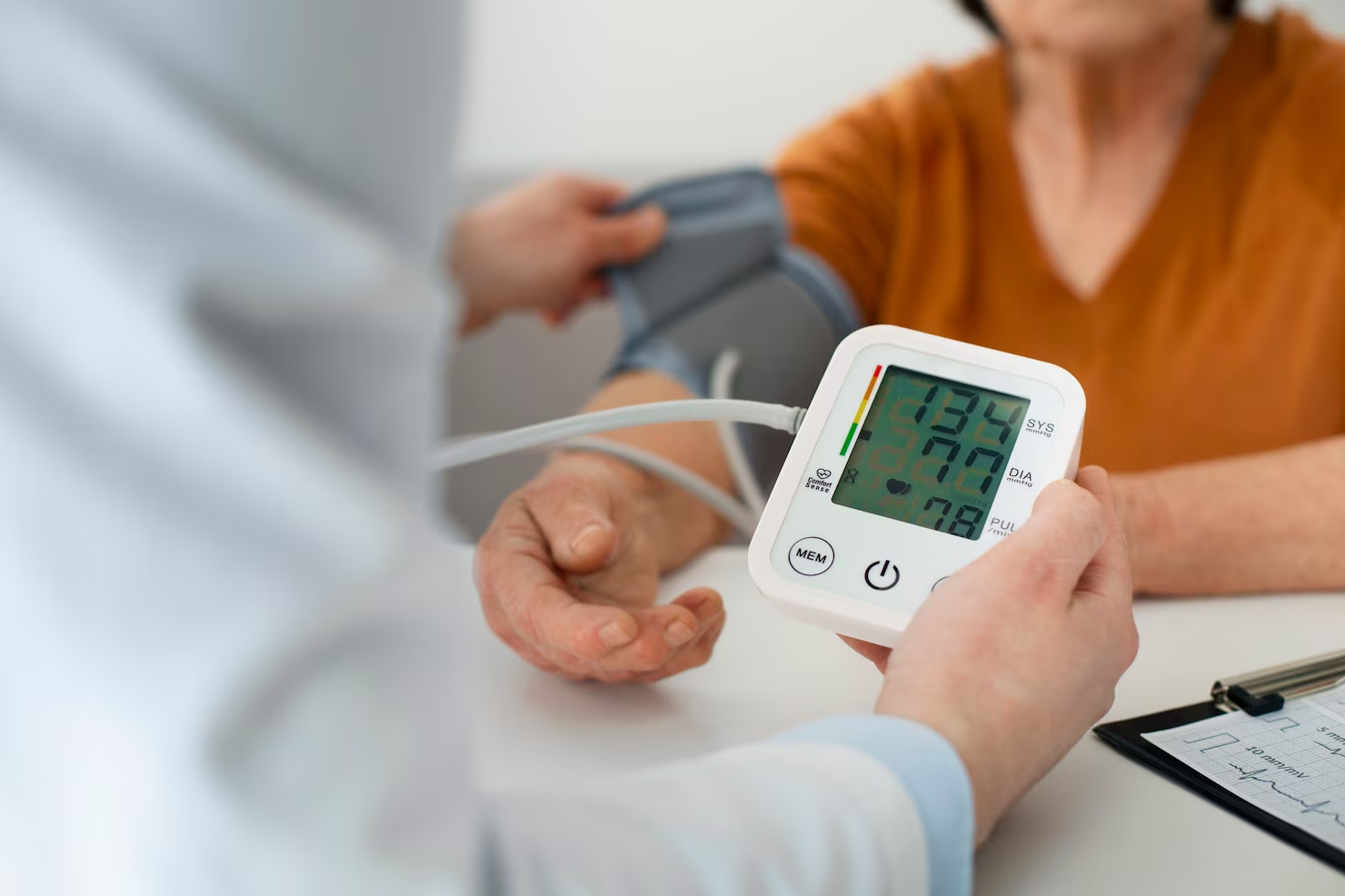
One of the most common effects of chronic stress is elevated blood pressure.
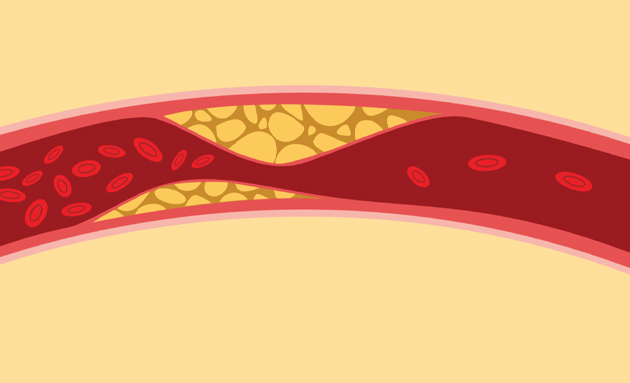
Repeated increases in blood pressure may gradually damage blood vessels and increase the risk of:
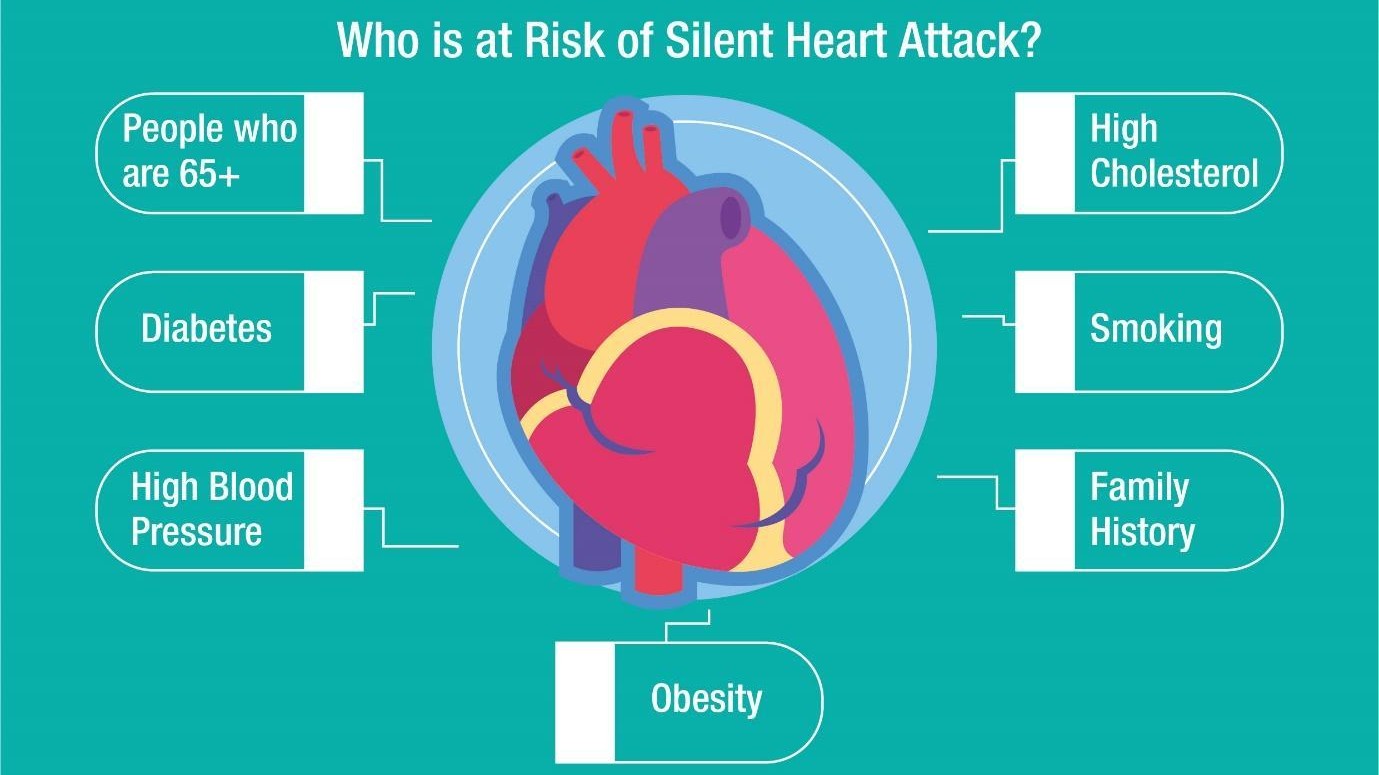
Regular monitoring is especially important for individuals with a family history of cardiovascular disease.
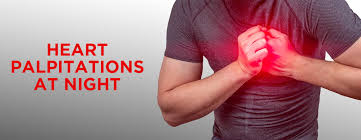
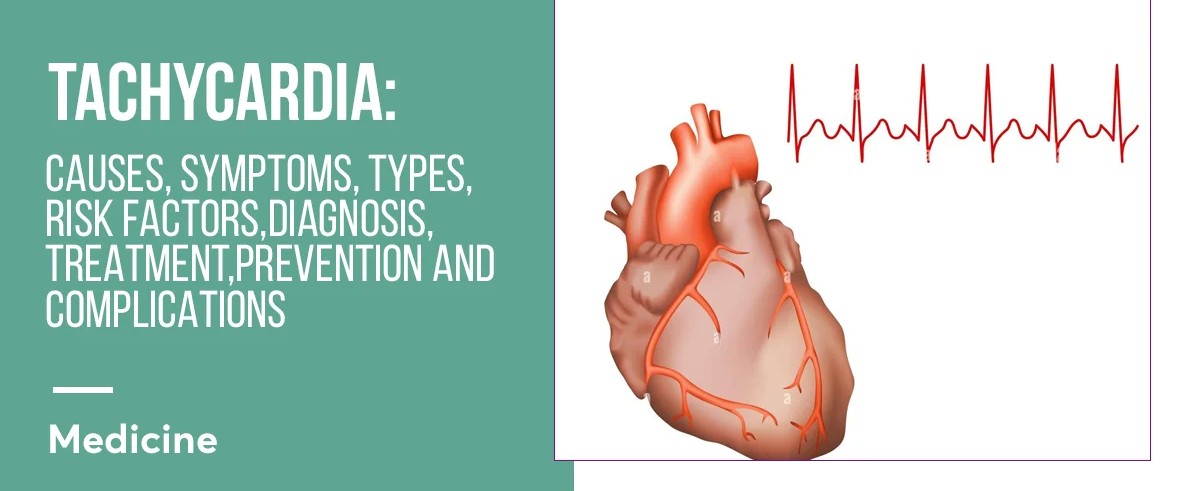
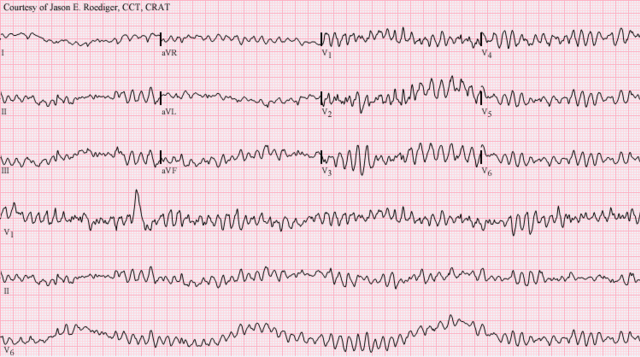
Stress and anxiety can sometimes contribute to heart rhythm disturbances.
Patients may experience:
Although many of these episodes are harmless, persistent symptoms should be evaluated to rule out underlying arrhythmias.
Simple lifestyle changes can help reduce the impact of stress on cardiovascular health:
These habits support both mental and heart health.
You should consider a cardiovascular evaluation if stress-related symptoms become frequent or interfere with daily life.
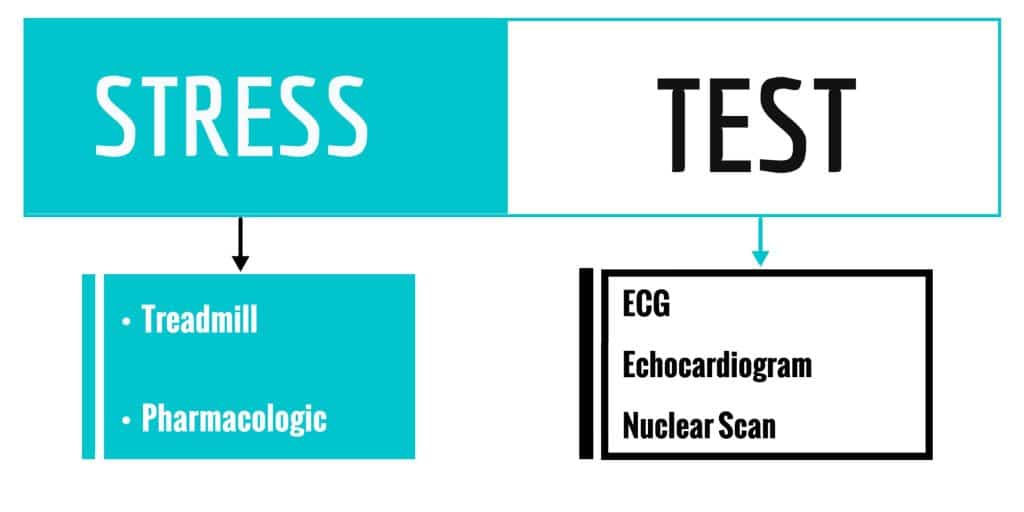
A cardiologist may recommend:
These tests help ensure symptoms are not caused by an underlying heart condition.
Stress is a part of life, but chronic stress should never be ignored.
At Cardiology Center Zacharias Kounnis, comprehensive cardiovascular evaluations help identify potential heart concerns and provide personalized guidance for maintaining long-term heart health.
If you are experiencing palpitations, chest discomfort, or stress-related cardiovascular symptoms, schedule an appointment with Cardiology Center Zacharias Kounnis for a professional assessment.
.png)