




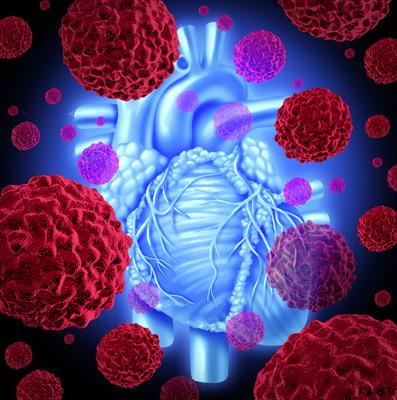
Cancer treatment has become more effective than ever, helping many people live longer and healthier lives. However, certain cancer therapies can also affect the heart, blood vessels, blood pressure or heart rhythm.
This does not mean that everyone receiving cancer treatment will develop a heart problem. It means that patients with particular treatments or risk factors may benefit from cardiovascular assessment and monitoring.
Cardio-oncology brings cardiology and oncology together to protect your cardiovascular health without creating unnecessary interruptions to your cancer treatment.
At Cardiology Center Zacharias Kounnis, our cardio-oncology service in Cyprus focuses on preventing, identifying and managing cardiovascular complications before, during and after cancer treatment.
Cardio-oncology is a medical field that focuses on the connection between cancer, cancer treatment and cardiovascular health.
Its main goals are to:
The purpose of cardio-oncology is not to make cancer treatment more difficult. Its purpose is to help patients receive appropriate cancer treatment as safely as possible.
Some cancer treatments can place additional strain on the cardiovascular system. The possible effects depend on several factors, including:
Two people receiving similar cancer treatment may not have the same cardiovascular risk. This is why cardio-oncology care should be personalised rather than based on a single standard plan.
No. Most patients will not automatically develop serious heart damage from cancer treatment.
The level of risk differs between treatments and between patients. Some people may only need a baseline heart assessment, while others may require closer monitoring throughout their treatment.
The purpose of monitoring is not to create fear. It is to find potential changes early, when they may be easier to manage.
Patients should not stop, delay or change cancer medication because of concerns about the heart without first speaking to their oncology and cardiology teams.
Different cancer therapies may affect the cardiovascular system in different ways.
Anthracyclines include medications such as doxorubicin, epirubicin and daunorubicin.
These treatments are effective against several cancers, but in some patients they can weaken the heart muscle. The risk may be influenced by the total dose, previous heart disease and other cardiovascular risk factors.
Heart monitoring may therefore be recommended before, during or after treatment.
HER2-targeted treatments are commonly used for certain types of breast and other cancers.
In some patients, these therapies can reduce the heart’s pumping function. Regular echocardiograms may be recommended to identify changes early and support decisions about treatment.
Radiation involving the chest area may affect the heart or nearby blood vessels, particularly when the heart is within or close to the treatment field.
Possible cardiovascular effects may appear during treatment or several years later. The level of risk depends on the area treated, the radiation dose, the technique used and the patient’s existing risk factors.
Some targeted therapies, including certain tyrosine kinase and vascular growth-factor inhibitors, may affect:
Blood pressure and cardiovascular risk factors may need to be monitored during treatment.
Immune checkpoint inhibitors help the immune system recognise and attack cancer cells.
Rarely, these treatments can cause inflammation of the heart muscle, known as myocarditis, or other cardiovascular complications. New chest pain, breathlessness, fainting or a rapid heartbeat during immunotherapy should be evaluated promptly.
Some hormonal treatments used for breast or prostate cancer may influence cholesterol, blood pressure, blood sugar, body weight or the risk of blood clots.
The cardiovascular effects vary depending on the medication and the patient’s existing health.
Cancer treatment-related cardiovascular complications can include:
Not every therapy causes all these problems, and many complications remain uncommon. Your cardiologist evaluates the specific risks associated with your treatment rather than assuming that every patient has the same risk.
You may benefit from a cardio-oncology evaluation if:
You do not need to wait until symptoms appear. For patients at increased risk, a baseline assessment can provide useful information before treatment begins.
Before treatment, the objective is to understand your current cardiovascular health and establish a baseline for future comparison.
Your assessment may include a discussion of:
Depending on your treatment and risk level, additional tests may be recommended.
A baseline assessment does not necessarily mean there is something wrong with your heart. It provides a clear starting point that can make future changes easier to identify.
Not every patient requires every test. Your evaluation should be selected according to your individual risk and treatment plan.
An electrocardiogram, or ECG, records the electrical activity of the heart.
It can help identify:
The test is quick, painless and non-invasive.
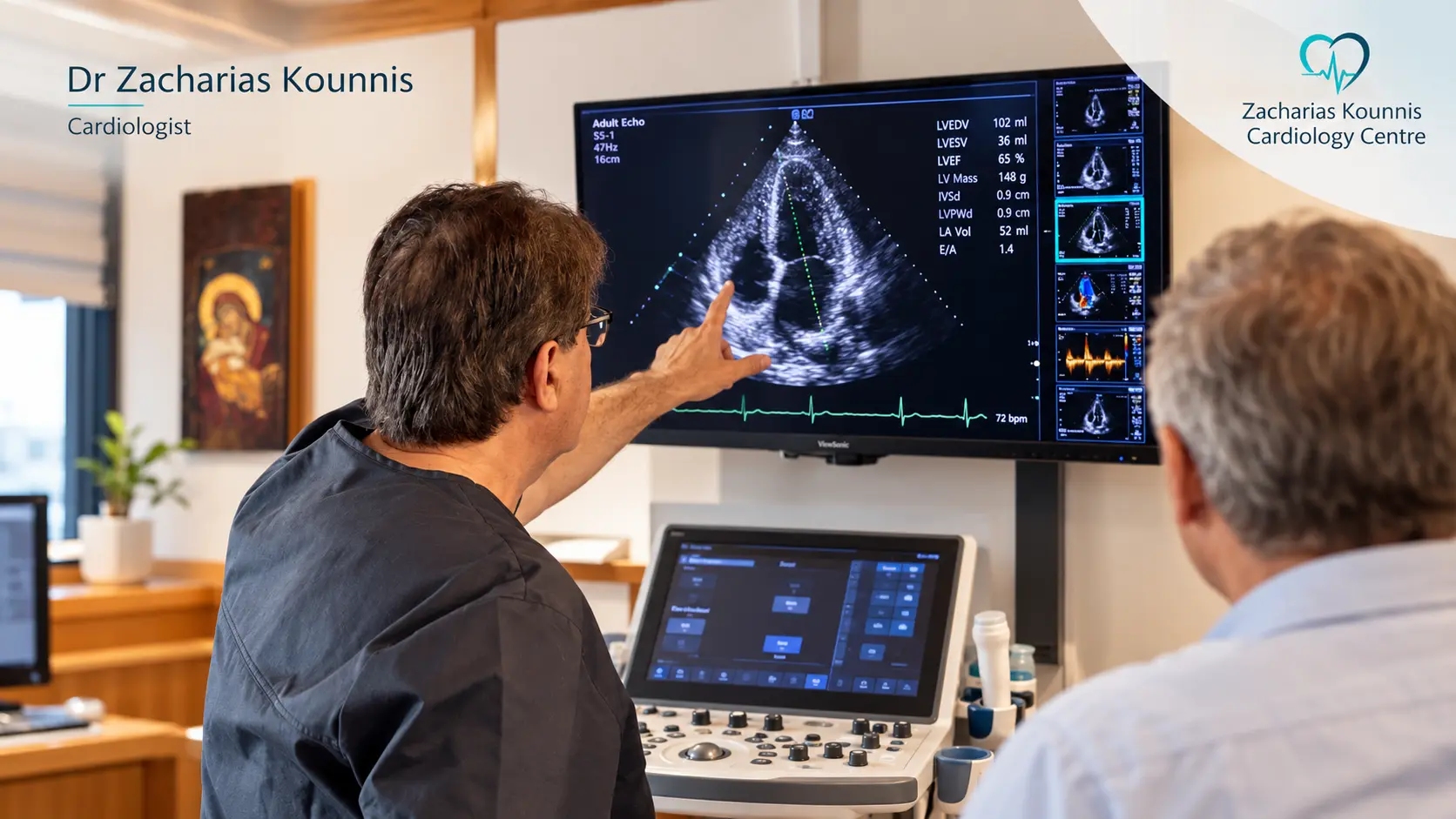
An echocardiogram uses ultrasound to create moving images of the heart.
It can assess:
The heart’s pumping function is commonly described using the left ventricular ejection fraction, or LVEF.
Global longitudinal strain, commonly called GLS, is an advanced echocardiographic measurement.
It evaluates how the heart muscle contracts and may help identify subtle changes in heart function before a major reduction in ejection fraction becomes visible.
GLS results should always be interpreted together with the rest of the echocardiogram, the patient’s clinical condition and previous measurements.
Blood tests may be used to measure substances associated with heart muscle injury or strain.
These may include:
Biomarker testing is not required for every cancer patient. It may be useful in selected patients, particularly when repeated measurements can be compared with a baseline result.
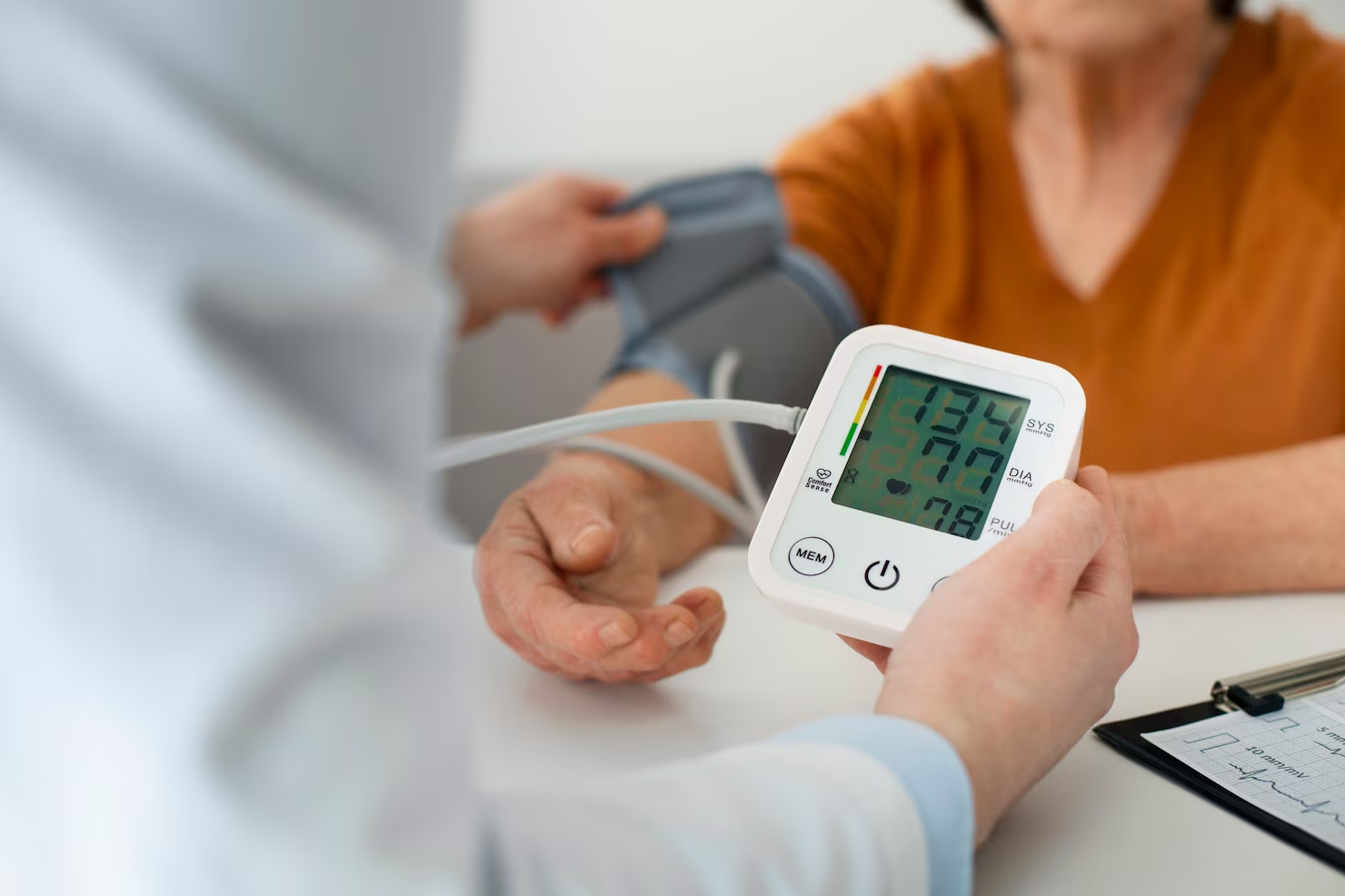
Certain cancer therapies can cause or worsen high blood pressure.
Monitoring may include measurements at the clinic and, in some cases, regular home blood pressure readings.
Controlling blood pressure can reduce unnecessary strain on the heart and blood vessels.
Your assessment may include:
These results help create a broader picture of your cardiovascular risk and guide personalised prevention.
The frequency of cardiovascular monitoring depends on your treatment and risk level.
During treatment, your cardio-oncology care may involve:
A patient at low cardiovascular risk may need less frequent monitoring than someone with existing heart disease or a higher-risk treatment plan.
There is no single monitoring schedule that is correct for everyone.
Cardio-oncology cannot guarantee that every cardiovascular complication will be prevented.
However, it can help reduce risk by:
Early identification is important because some cardiovascular changes may develop before noticeable symptoms appear.
The goal of cardio-oncology is usually to support cancer treatment, not delay it.
When a cardiovascular concern is identified, the cardiologist and oncologist can work together to balance the benefits of cancer therapy with the patient’s cardiovascular safety.
Depending on the situation, the plan may involve:
These decisions are individual and should be made through collaboration between the relevant medical teams.
Cardiovascular care does not always end with the final cancer treatment.
Some complications can develop months or years later, particularly after certain chemotherapy treatments or chest radiation. Follow-up may be appropriate for patients with:
Follow-up may include a clinical assessment, ECG, echocardiogram, blood tests or other investigations based on the patient’s risk.
The purpose is not to perform unnecessary testing. It is to ensure that patients who need continued surveillance receive it.
Contact your medical team if you experience new or worsening:
These symptoms do not always mean cancer treatment has affected the heart. They can have several possible causes, including anaemia, infection, dehydration or the cancer itself.
However, they should not be ignored.
Severe chest pain, serious breathing difficulty, fainting or sudden symptoms should be treated as a medical emergency.
Bringing the right information can make your assessment more useful.
Where possible, bring:
Do not worry if you do not have everything. The consultation can still begin with the information available.
Your medical team will provide advice based on your condition, but general heart-healthy habits may include:
Do not begin an intense exercise programme, restrictive diet or new supplement during cancer treatment without discussing it with your medical team.
Some supplements can interact with cancer or cardiovascular medications.
Patients receiving cancer treatment may need care from several healthcare professionals. Cardio-oncology helps connect cardiovascular assessment with the wider cancer treatment plan.
At Cardiology Center Zacharias Kounnis, our cardio-oncology service in Limassol provides personalised cardiovascular assessment before, during and after cancer treatment.
Depending on the patient’s individual needs, our approach may include:
The appropriate tests and follow-up schedule are selected according to the patient’s medical history, cancer treatment and cardiovascular risk.
No. It can also help patients without known heart disease who are starting a treatment associated with cardiovascular risk.
A baseline assessment may identify previously undiagnosed risk factors and provide measurements for future comparison.
No. The need for an echocardiogram depends on the type of treatment, existing health conditions and individual cardiovascular risk.
Your oncology or cardiology team can determine whether it is appropriate.
No. A standard echocardiogram is non-invasive and does not use radiation. A probe is moved across the chest to create ultrasound images of the heart.
Cardiotoxicity is a general term used for cardiovascular injury or complications associated with cancer treatment.
It can involve the heart muscle, rhythm, blood pressure, blood vessels, heart valves or the tissue surrounding the heart.
Many cardiovascular complications can be managed, particularly when identified early.
Treatment depends on the type and severity of the problem and may include medication, closer monitoring, risk-factor management or changes coordinated with the oncology team.
In many cases, treatment can continue with cardiovascular medication or closer monitoring. In other cases, a temporary interruption or adjustment may be necessary.
The decision should be made individually by the oncology and cardiology teams.
There is no universal schedule.
Monitoring depends on your baseline risk, cancer therapy, treatment duration, symptoms and test results. Some patients need only a limited assessment, while higher-risk patients may need regular follow-up.
Some do.
Long-term follow-up may be recommended after particular treatments, chest radiation, cardiovascular complications during therapy or abnormal test results. Your cardiologist can determine whether continued monitoring is necessary.
Cancer treatment and cardiovascular protection should work together.
A cardio-oncology assessment can help identify your individual risks, establish a clear baseline and create an appropriate monitoring plan before problems become serious.
If you are preparing to start cancer treatment, currently receiving treatment or have concerns about your heart health after cancer therapy, Cardiology Center Zacharias Kounnis is available to provide personalised cardiovascular evaluation in Limassol, Cyprus.
Protecting your heart is an important part of your overall cancer care.
Schedule a cardio-oncology consultation at Cardiology Center Zacharias Kounnis to receive an individual cardiovascular risk assessment and a monitoring plan based on your treatment and medical history.
Book an appointment with our cardio-oncology service in Cyprus.
.png)