%20(1).png)


.jpg)
.jpg)
.jpg)













.png)



.jpeg)


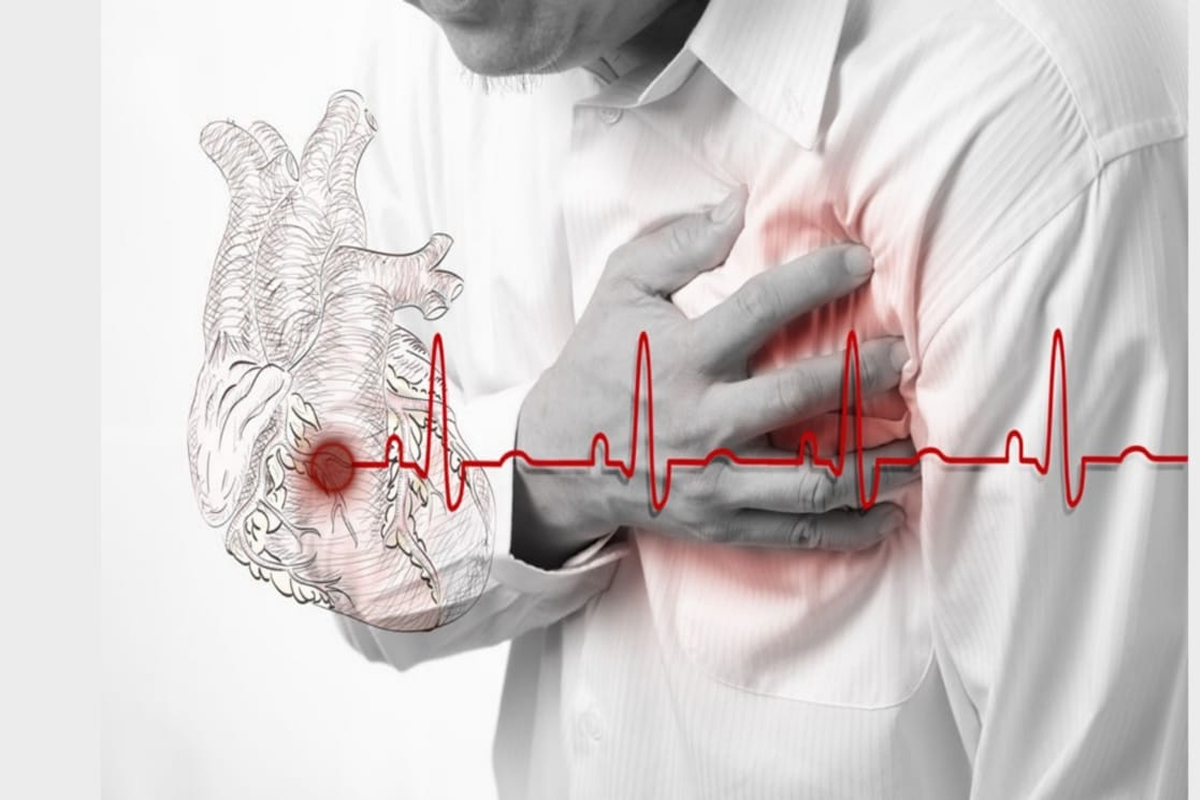
Your Heart Rarely Fails Without Warning
One of the greatest misconceptions in medicine is that a heart attack always begins with severe chest pain and collapse.
In reality, many patients experience symptoms for days, weeks, or even months before a major cardiovascular event occurs. Unfortunately, these warning signs are often dismissed as stress, fatigue, indigestion, aging, or lack of sleep.
By the time the diagnosis is made, valuable time may have been lost.
The Most Common Early Warning Signs
Many patients who later develop coronary artery disease report one or more of the following:
* Unexplained fatigue
* Reduced exercise capacity
* Breathlessness during activities that were previously easy
* Chest discomfort, pressure, burning, or tightness
* Pain radiating to the neck, jaw, shoulder, back, or arm
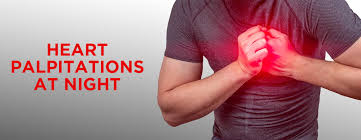
* Palpitations
* Dizziness or lightheadedness
* Sudden reduction in physical performance
Importantly, symptoms may appear only during exertion and disappear with rest.
The Hidden Risk Factors
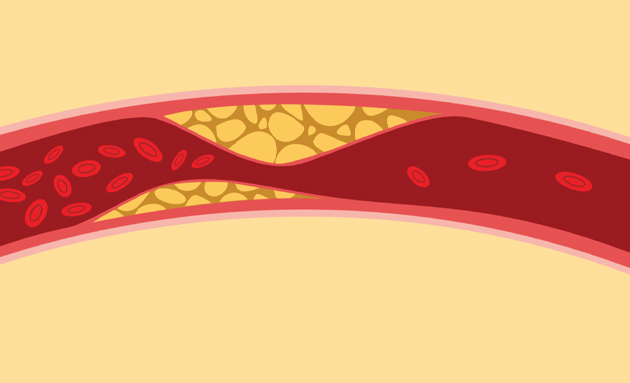
Cardiovascular disease often develops silently over many years.
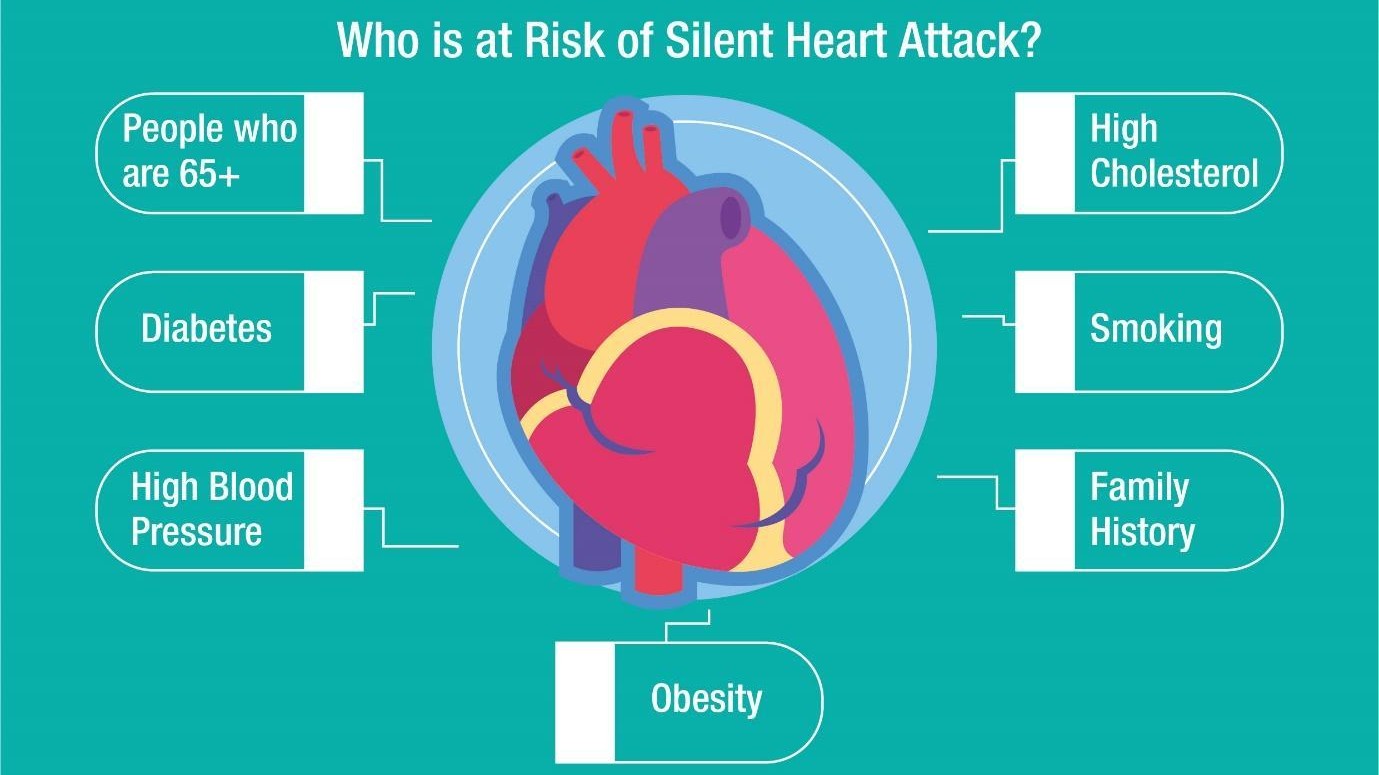
Major risk factors include:
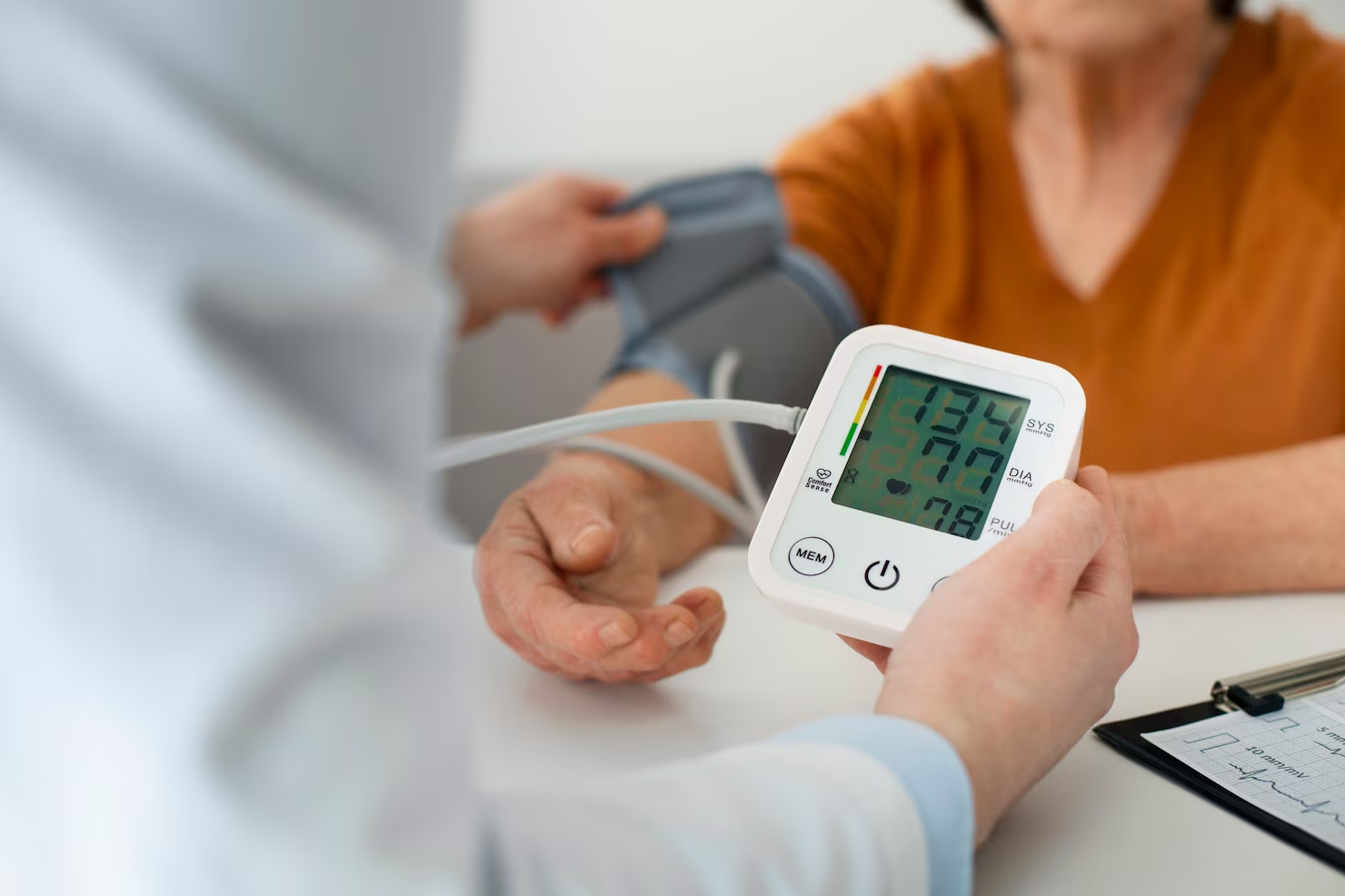
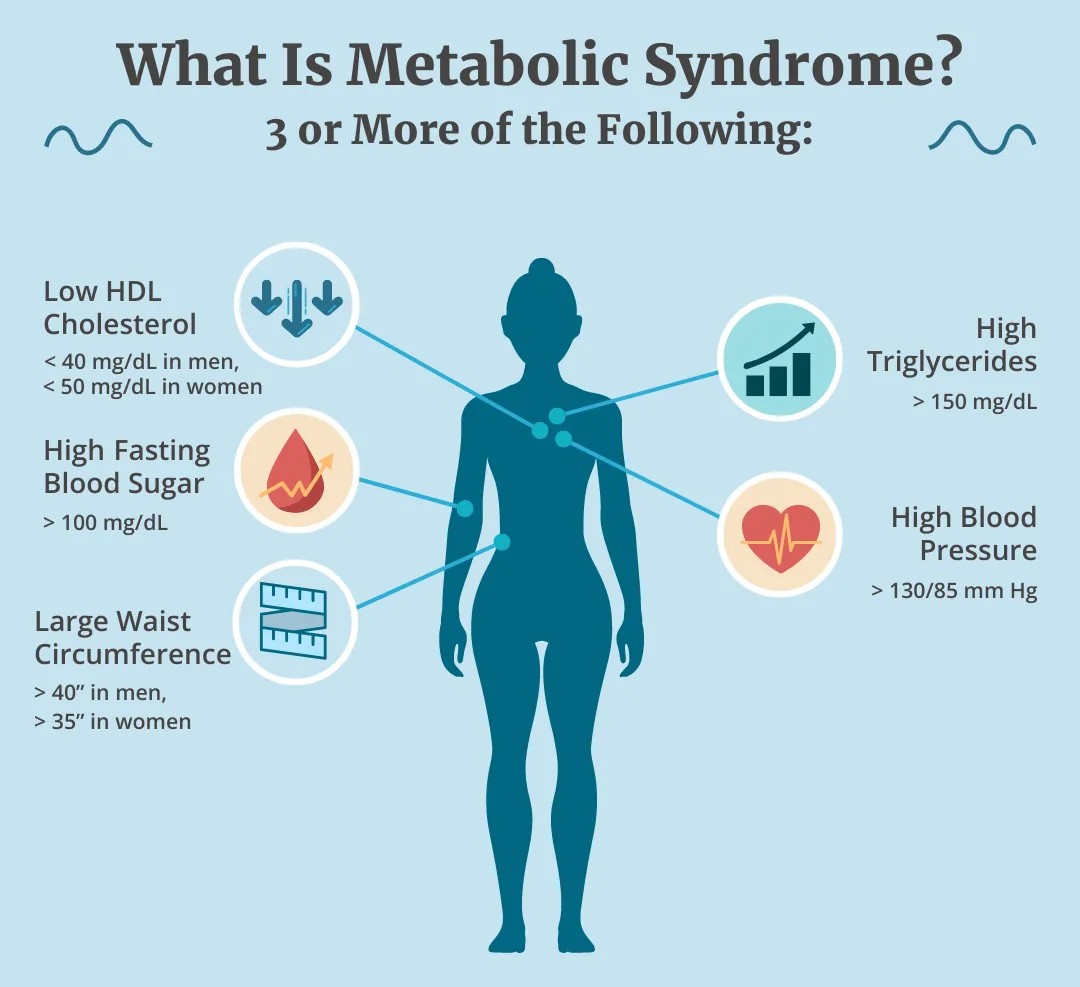
* High blood pressure
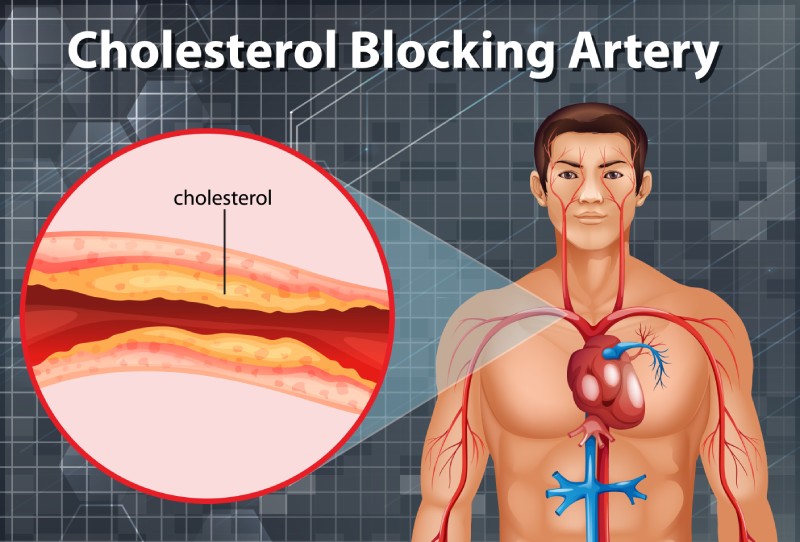
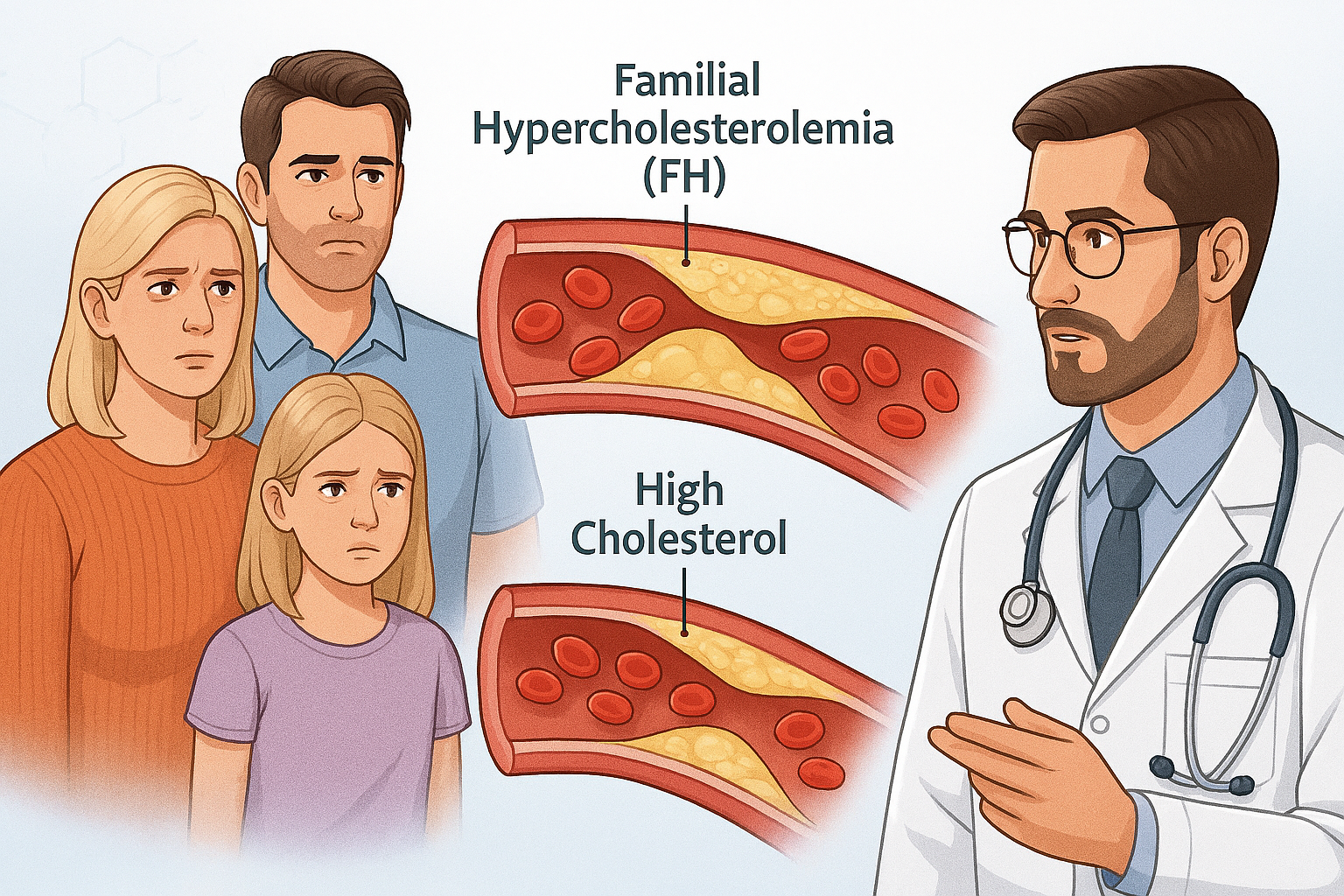
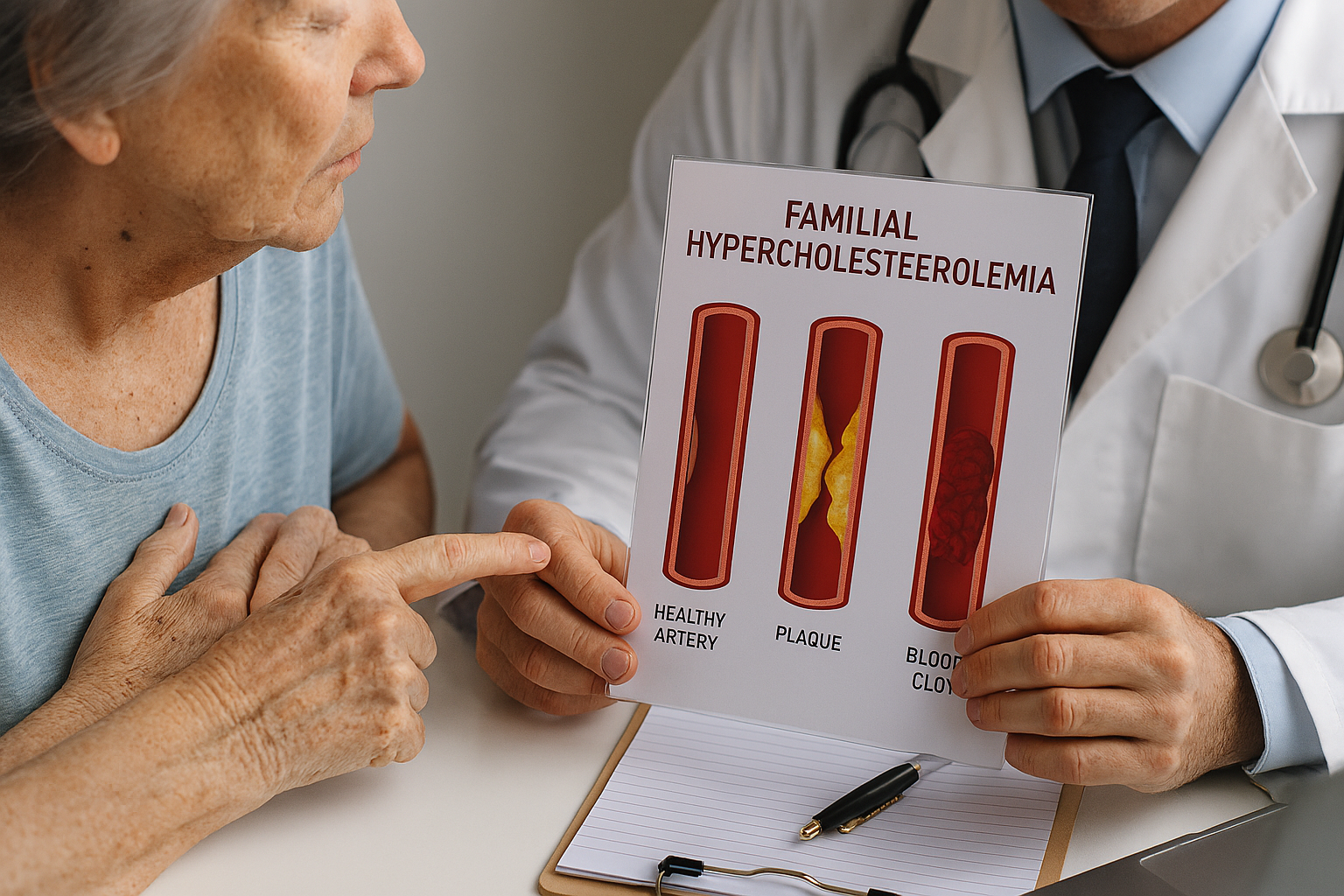
* Elevated cholesterol
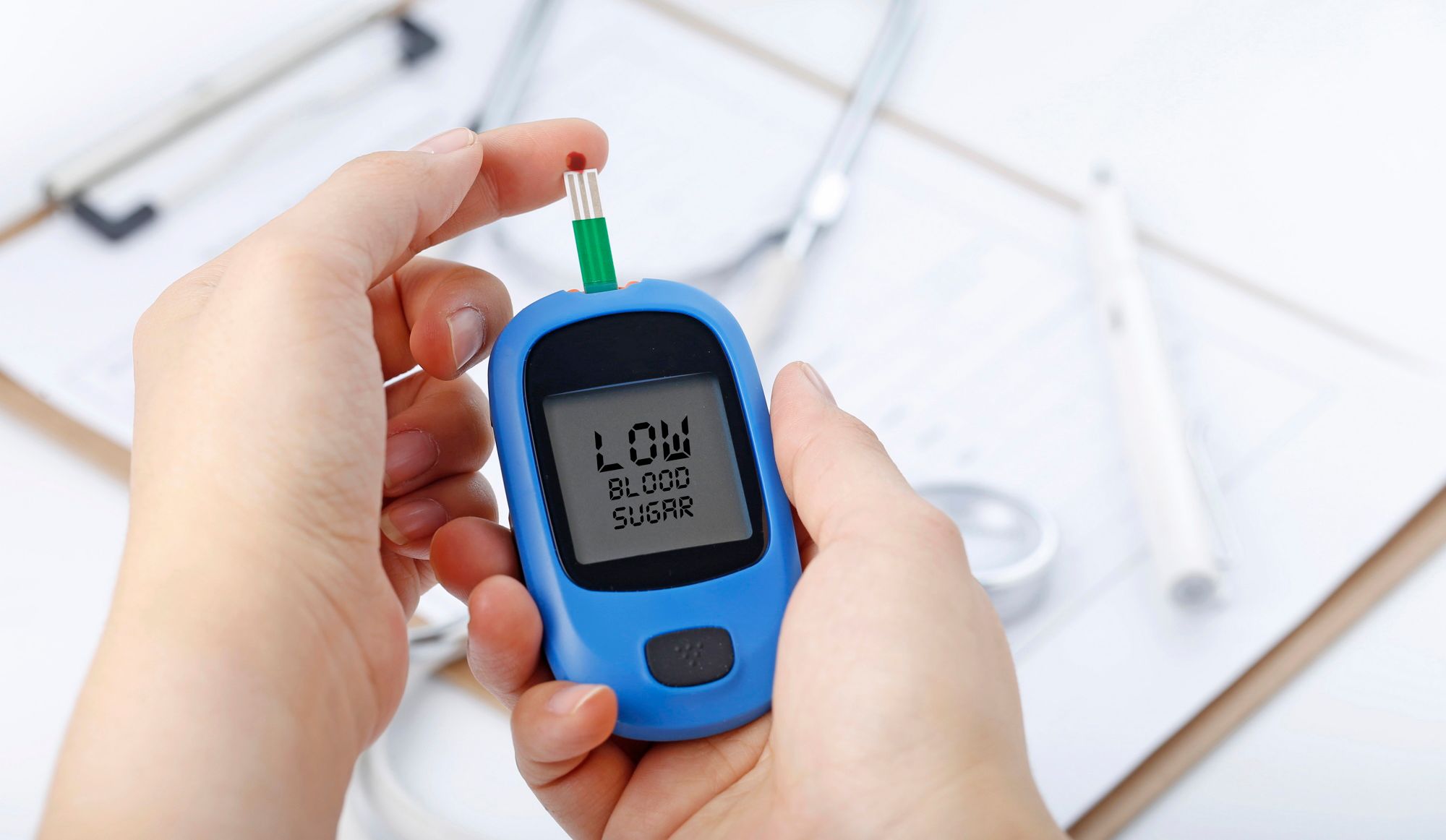
* Diabetes and insulin resistance
* Smoking
* Obesity
* Physical inactivity
* Chronic stress
* Family history of premature cardiovascular disease
Many individuals feel perfectly healthy despite carrying several of these risk factors.
Prevention Is More Powerful Than Treatment
Modern cardiology has shifted from treating disease to preventing disease.
Today, advanced cardiovascular assessment can identify risk long before symptoms become severe.
These evaluations may include:
* Comprehensive cardiovascular examination
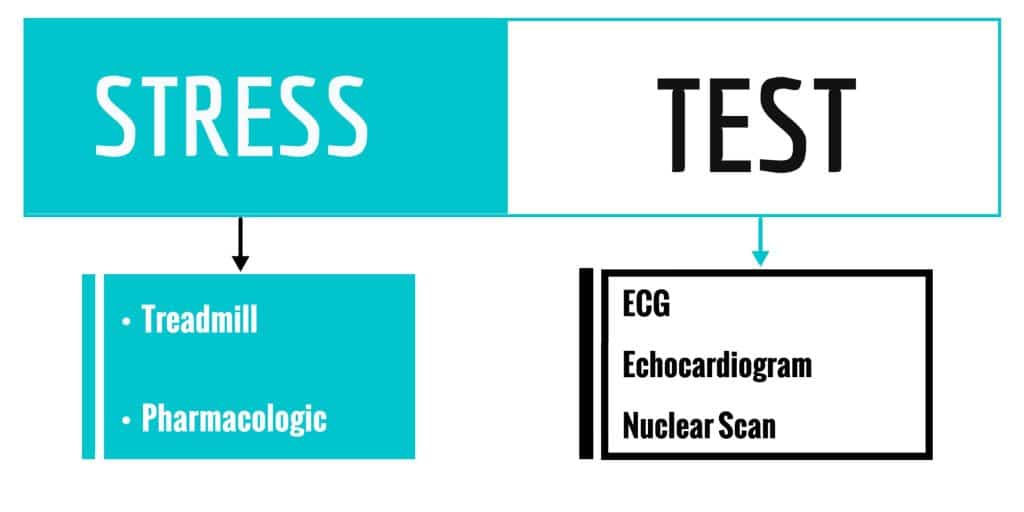
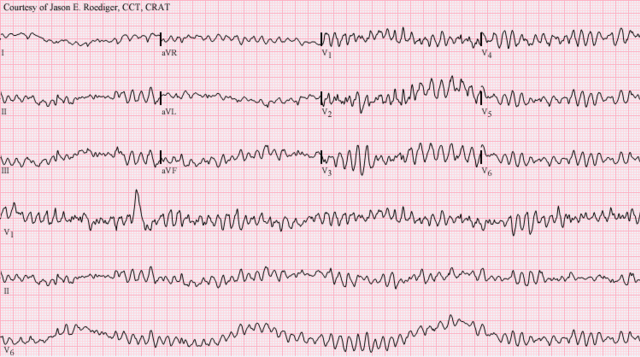
* Electrocardiogram (ECG)
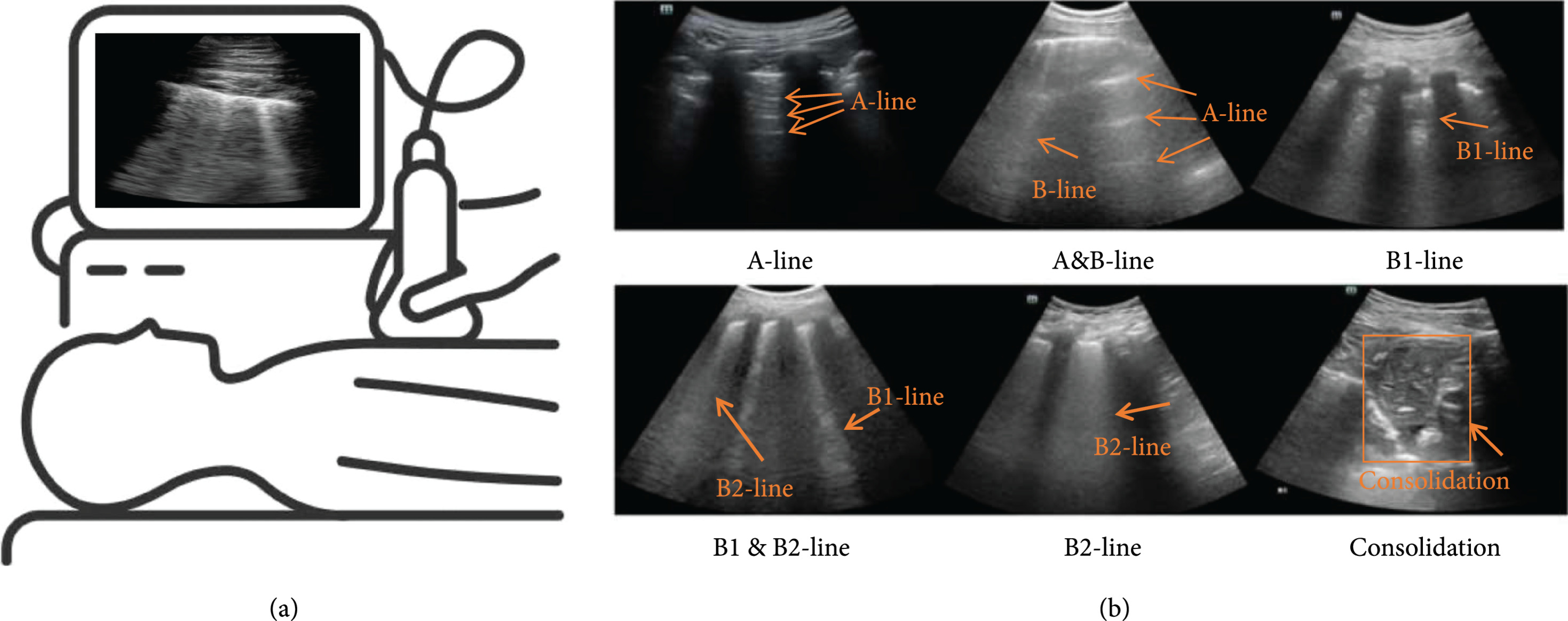
* Echocardiography
* Carotid artery ultrasound
* Ankle-Brachial Index (ABI)
* Arterial stiffness assessment
* Laboratory evaluation of cardiovascular risk markers
* Personalized risk stratification
The goal is simple: detect disease before it becomes a medical emergency.
The New Era of Cardiovascular Medicine
Recent advances in preventive cardiology have dramatically improved our ability to reduce cardiovascular risk.
Modern therapies can:
* Lower LDL cholesterol to previously unattainable levels
* Reduce cardiovascular inflammation
* Protect kidney function
* Improve diabetes management
* Promote weight loss
* Decrease the risk of heart attack, stroke, and cardiovascular death
The future of cardiology is not waiting for disease—it is identifying risk early and intervening before irreversible damage occurs.
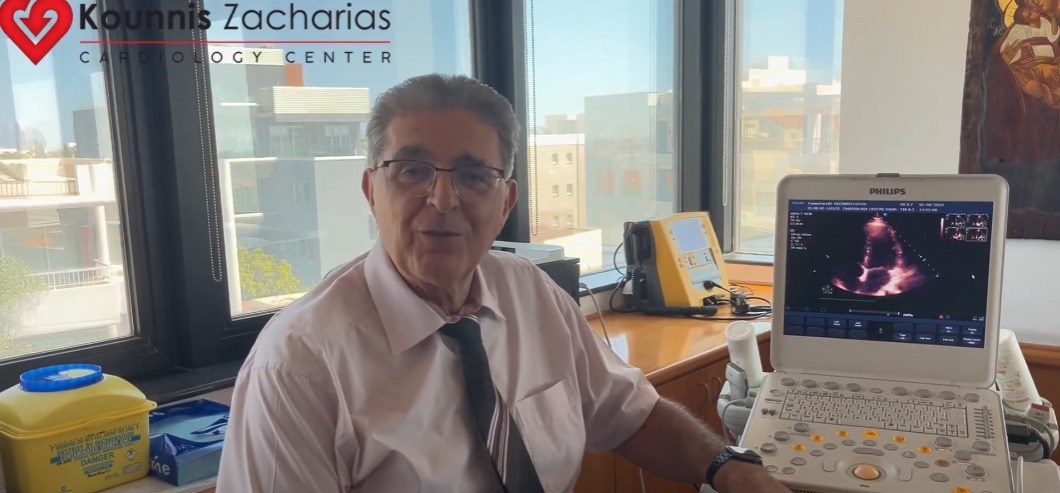
A Message From Dr. Zacharias Kounnis
Every day I meet patients who tell me:
“I wish I had checked earlier.”
Your heart may be sending subtle signals long before a serious event occurs.
Listen to those signals.
A timely cardiovascular assessment today may prevent a life-changing event tomorrow.
Live with your heart.
Dr. Zacharias Kounnis Cardiology Center
Prevention • Diagnosis • Therapy
.png)