%20(1).png)


.jpg)
.jpg)




















.png)



.jpeg)


.jpg)
Many cardiovascular conditions have a genetic component.
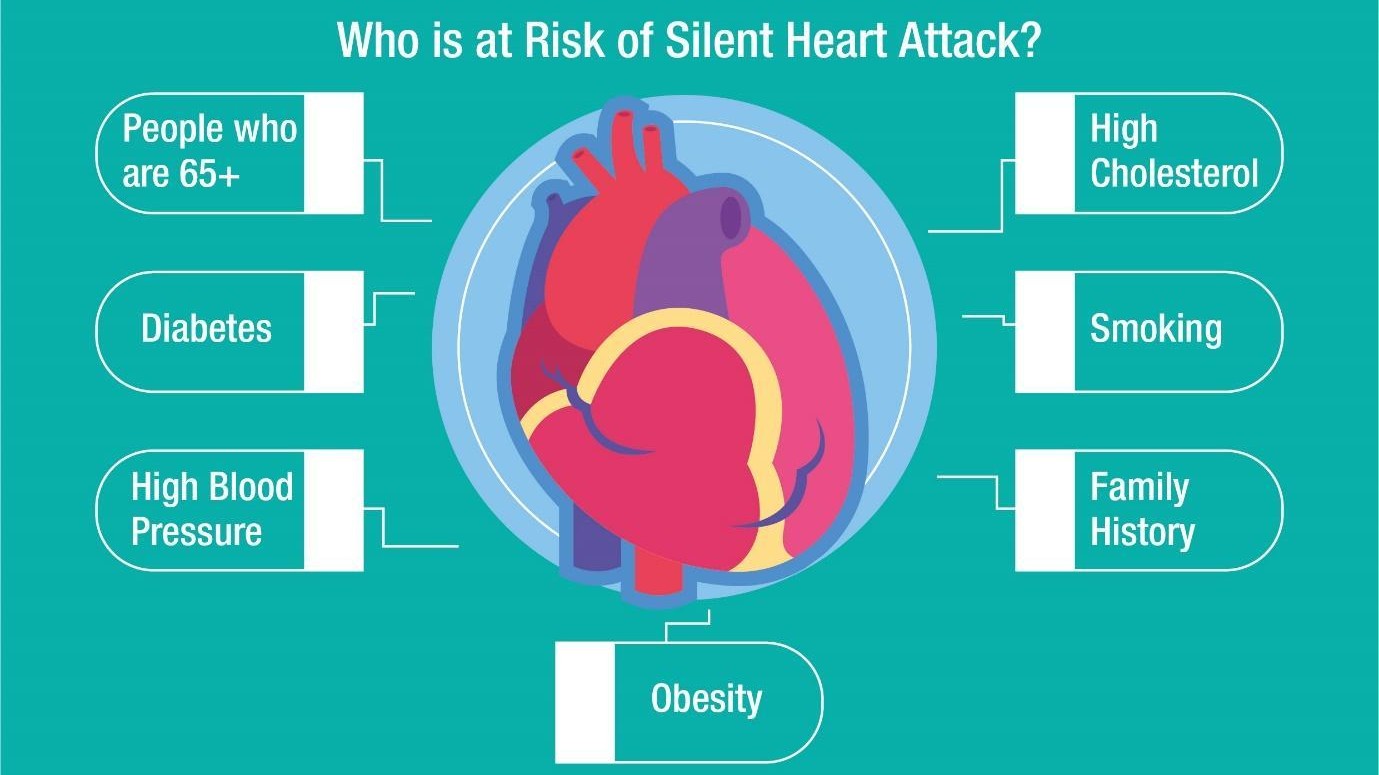
If a close family member has experienced heart disease, heart attack, stroke, or sudden cardiac death, your own risk may be higher.
While genetics cannot be changed, understanding your risk allows you to take preventive action early.
The strongest risk factors usually involve:
Risk is particularly important when cardiovascular disease occurred at a younger age than expected.
Several cardiovascular conditions may run in families:
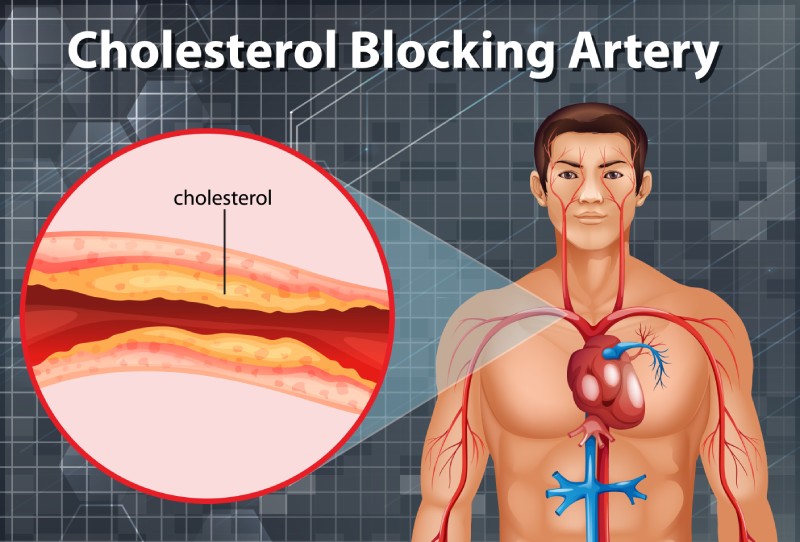
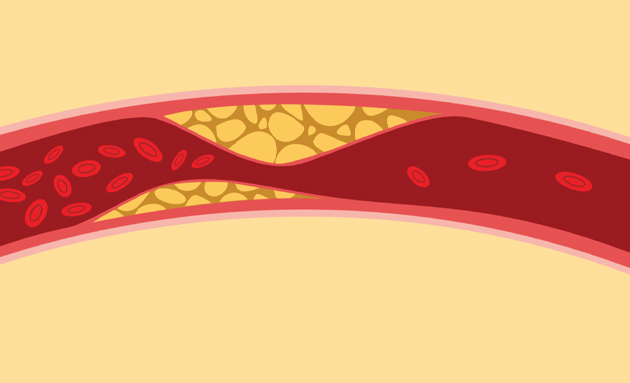
Narrowing of the heart arteries caused by plaque buildup.
Hypertension often affects multiple generations within a family.
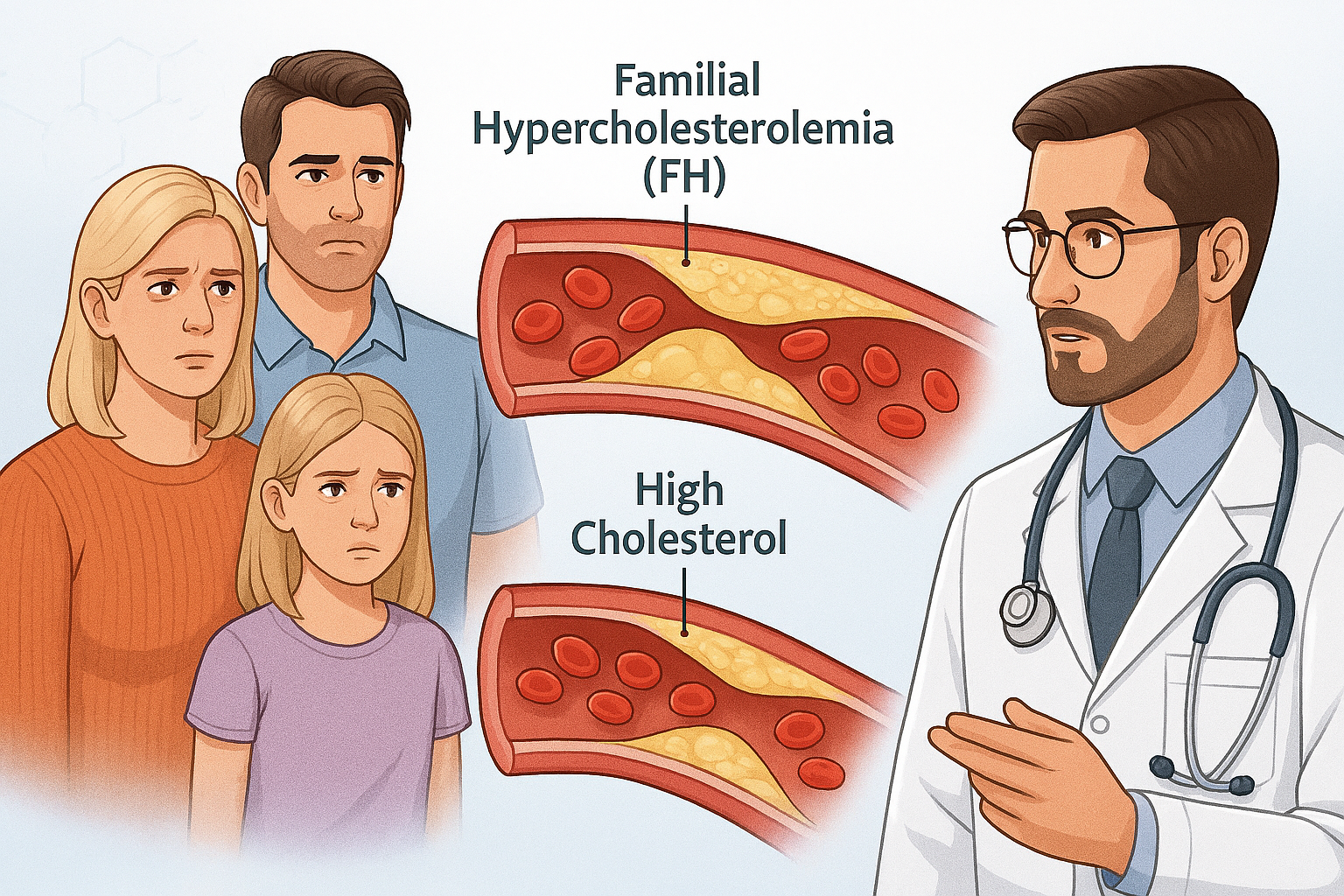
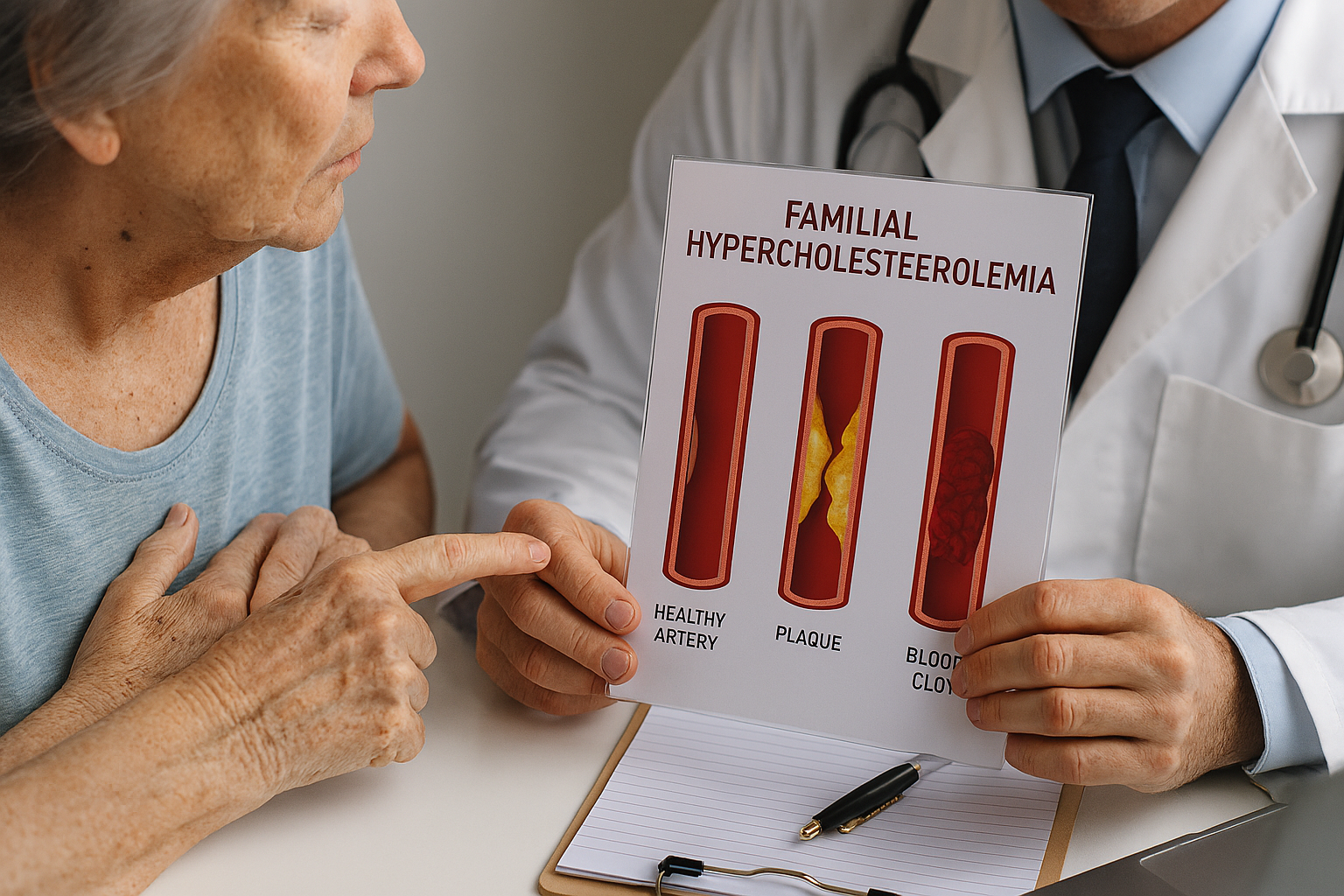
Inherited cholesterol disorders can significantly increase cardiovascular risk.
Certain heart rhythm disorders may have a genetic component.
Diseases affecting the heart muscle may sometimes be inherited.
No.
Family history increases risk but does not guarantee that heart disease will occur.
Lifestyle choices play a major role in determining overall cardiovascular health.
Healthy habits can significantly reduce risk even when family history is present.
If heart disease runs in your family, consider:
Preventive care allows many cardiovascular conditions to be detected early.
Individuals with a strong family history of cardiovascular disease should not wait for symptoms to appear.
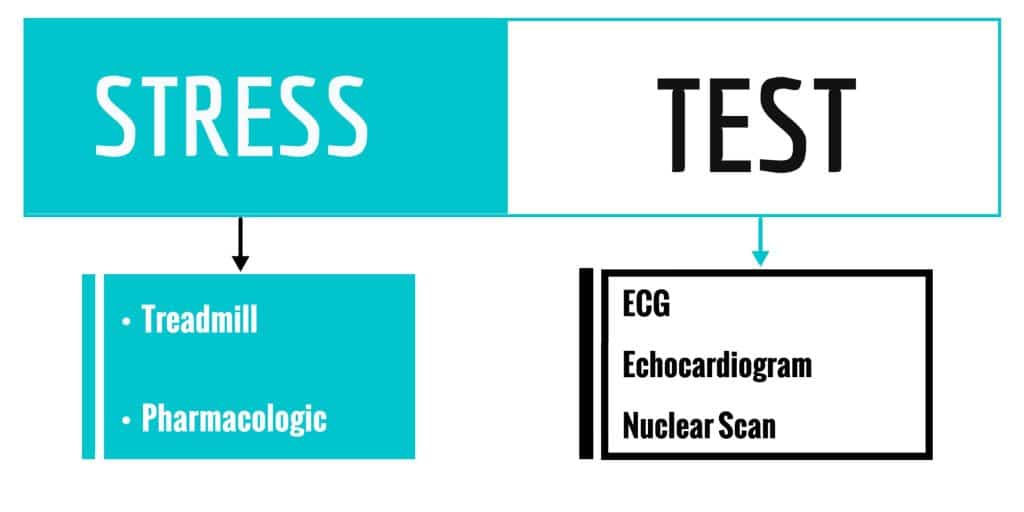
Early screening may include:
A cardiologist can recommend the most appropriate screening plan based on personal and family history.
Understanding your family history is one of the most valuable tools for protecting your heart.
At Cardiology Center Zacharias Kounnis, preventive cardiovascular evaluations help identify risk factors and create personalized strategies for maintaining long-term heart health.
If you have a family history of heart disease, now is the ideal time to take a proactive approach.
Schedule a consultation at Cardiology Center Zacharias Kounnis and gain a clearer understanding of your cardiovascular health and future risk.
.png)